Swimming Pool Construction in Kenya

Swimming Pool Construction in Kenya is transforming how homeowners, businesses, and resorts enhance property value, lifestyle, and wellness. Whether you seek a private oasis, a commercial attraction, or a fitness-focused installation, understanding the process, costs, and benefits ensures your investment delivers long-term value. In this guide, we’ll explore key considerations, types, and trends of swimming pool construction in Kenya, helping you make informed decisions:

Cost of Building a Pool in Kenya

Why Invest in a Swimming Pool in Kenya?

Investing in a swimming pool goes far beyond improving curb appeal—it creates lifestyle upgrades, promotes health and wellness, and delivers strong financial advantages for both homeowners and businesses.

1. Lifestyle and luxury enhancement

A swimming pool transforms any space into a personal oasis. For homeowners, it provides a serene retreat after long days, while also offering a perfect spot for hosting friends and family. For hotels, resorts, and private villas, a pool instantly elevates the guest experience, signaling exclusivity and sophistication.

Benefits include:

  • A private space for relaxation and stress relief

  • An attractive focal point for family gatherings, parties, and celebrations

  • A competitive edge for hospitality establishments by offering premium leisure facilities

2. Health and fitness benefits

Swimming is one of the most versatile workouts, providing full-body exercise with minimal strain on the joints. Unlike running or gym workouts, it suits people of all ages, including children and the elderly. Beyond physical health, time spent in the water reduces stress and supports mental clarity.

Key fitness advantages:

  • Burns calories efficiently while being gentle on the body

  • Builds strength, endurance, and flexibility

  • Improves cardiovascular function and lung capacity

  • Offers a calming effect that reduces anxiety and promotes better sleep

For families, this means a built-in health and fitness facility right at home, eliminating the need for costly gym or club memberships.

3. Increased property value for homeowners

Adding a pool is more than an upgrade—it’s an investment that enhances marketability. In Kenya’s growing real estate market, properties with professionally built pools stand out, especially in prime neighborhoods where buyers actively seek modern amenities.

How it boosts property value:

  • Increases buyer interest and shortens the selling cycle

  • Positions the property as high-end, justifying higher asking prices

  • Appeals to tenants in the rental market seeking luxury living options

For real estate developers, offering homes with pools can significantly raise unit demand and overall project ROI.

4. Revenue generation for hotels, schools, and resorts

For commercial establishments, a swimming pool is both a draw and a revenue engine. Hotels and resorts can market pools as premium amenities, while schools and fitness centers can generate income by offering swimming lessons or hosting competitions.

Revenue opportunities include:

  • Membership packages for locals to access the pool

  • Hosting poolside events, parties, or wellness retreats

  • Offering swimming lessons, aqua aerobics, and professional training

  • Enhancing brand reputation, leading to higher customer retention and positive reviews

In the competitive hospitality and education sectors, having a well-designed pool can be the differentiator that attracts more clients and builds long-term loyalty.

Types of Swimming Pools in Kenya

Kenya offers a wide variety of swimming pool options designed to suit different lifestyles, budgets, and property types. Whether for personal use, hospitality, or commercial purposes, the right choice depends on space availability, intended use, and desired level of luxury.

Private Pool Installation in Kenya

1. Residential / private swimming pools

These pools are perfect for homeowners looking to create a personal retreat within their compound. They are designed for relaxation, family bonding, and convenient fitness without leaving home. Sizes and shapes can be customized to fit available backyard space, whether compact or expansive.

Key features:

  • Family-friendly designs for children and adults

  • Options for heating, lighting, or waterfalls to enhance the experience

  • Cost-effective designs for small compounds or luxury models for spacious homes

2. Commercial pools – hotels, schools, and gyms

Built to handle high traffic and frequent use, commercial pools are engineered with durability and safety as top priorities. They enhance customer satisfaction and serve as valuable revenue-generating assets.

Applications include:

  • Hotels and resorts offering leisure and entertainment to guests

  • Schools providing swimming lessons as part of their curriculum

  • Gyms and fitness centers offering aqua-based training and therapy sessions

3. Fiberglass pools

Fiberglass pools are popular for their convenience and low-maintenance qualities. Since they come in pre-molded shapes, installation is faster compared to traditional concrete pools. Their smooth finish also minimizes algae growth, making them easier to clean.

Advantages:

  • Quick installation, reducing project timelines

  • Long-lasting with minimal repairs needed

  • Cost-effective for homeowners and small commercial facilities

  • Pre-designed styles for modern and neat finishes

4. Infinity and rooftop pools

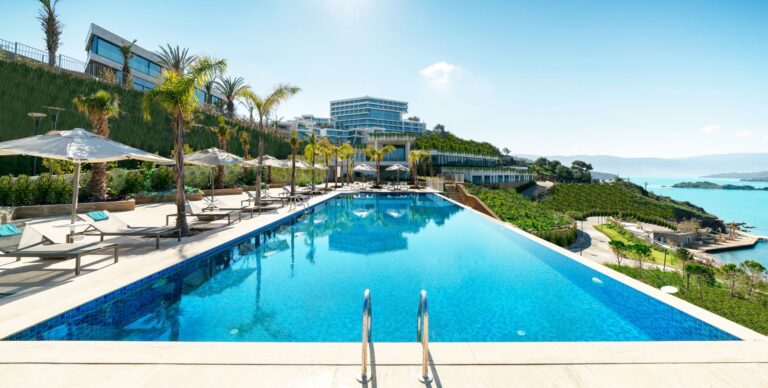
These high-end options are ideal for properties aiming to stand out with a statement feature. Infinity pools give the illusion of water extending seamlessly into the horizon, while rooftop pools maximize limited urban space and offer panoramic views.

Best suited for:

  • Luxury residences looking to boost exclusivity

  • High-rise apartments and penthouses

  • Resorts seeking to enhance guest experiences with breathtaking visuals

5. Custom-designed pools

For clients with specific tastes or unique property layouts, custom pools provide endless possibilities. They can incorporate creative shapes, integrated lighting, artistic tiles, or additional features like spas and fountains to match the owner’s vision.

Popular custom features:

  • Freeform or geometric designs

  • Built-in jacuzzis or shallow play areas

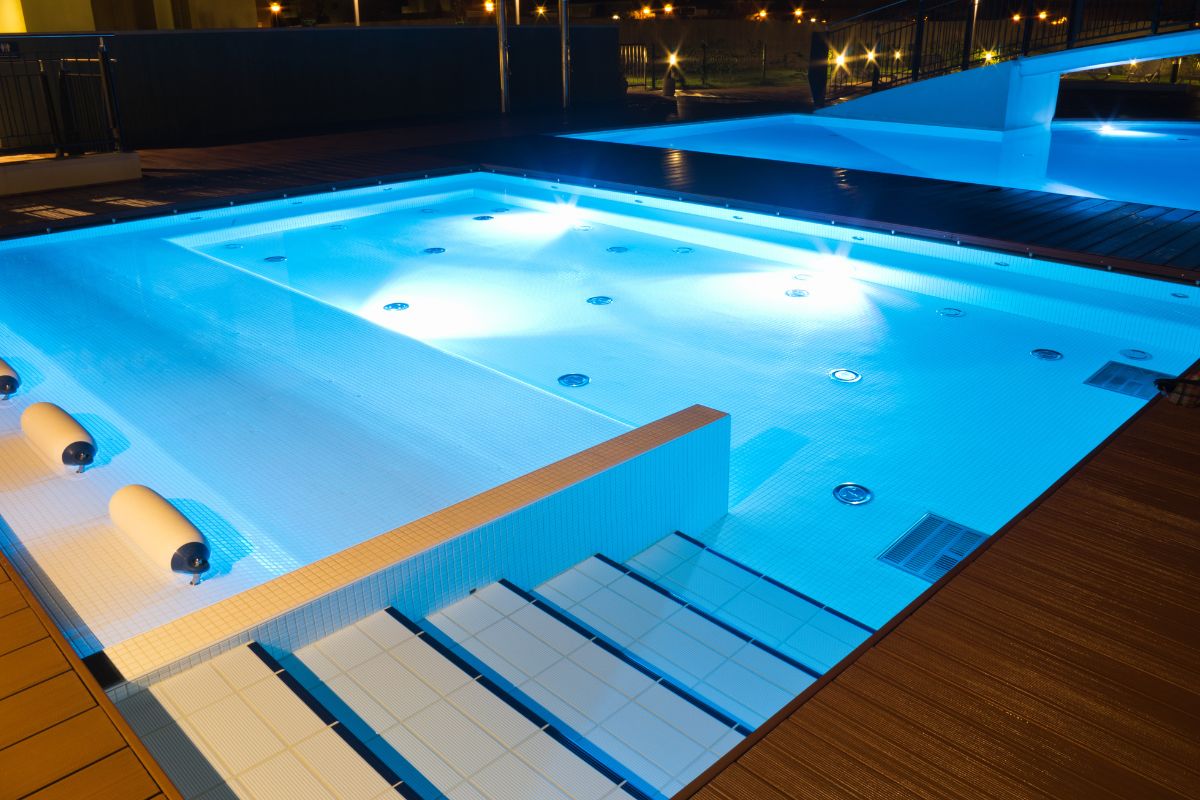
  • Underwater lighting and decorative tiling

  • Energy-efficient filtration and heating systems

Step-by-Step Process of Swimming Pool Construction

Understanding the swimming pool construction process is key to proper planning, budgeting, and setting clear expectations. A professional approach ensures durability, safety, and a high-quality finish that matches both lifestyle and investment goals.

Cost of Building a Pool in Kenya

1. Site survey and feasibility study

The process begins with a thorough assessment of the site. This includes measuring available space, analyzing soil conditions, and evaluating accessibility for construction equipment. These details guide decisions on pool size, depth, and structural support, ensuring the pool is safe, stable, and cost-efficient.

Key considerations:

  • Soil strength and drainage capability

  • Distance from utilities such as water and electricity

  • Sun exposure and wind direction for optimal placement

2. Pool design and planning

Once the feasibility is confirmed, a customized design is created. This stage covers the pool’s size, depth, and shape, as well as the materials and finishes to be used. Clients can also select add-ons such as lighting, waterfalls, heating systems, or safety features. The design phase provides a clear roadmap for construction and budgeting.

Planning elements include:

  • Choosing between residential, commercial, or luxury styles

  • Selection of tiles, coping stones, and finishes

  • Integration of energy-efficient filtration and heating systems

3. Excavation and ground preparation

Professional excavation ensures the pool dimensions match the design specifications. The ground is carefully prepared to provide a strong, even foundation. Proper drainage channels are installed to protect against water seepage or soil movement that could compromise the pool’s structure.

Benefits of expert excavation:

  • Accuracy in depth and shape

  • Reduced risk of future structural issues

  • Properly compacted soil for durability

4. Structural framework and plumbing systems

With the ground prepared, the pool’s skeleton is built. Depending on the design, reinforced concrete, steel, or fiberglass shells are installed. At this stage, plumbing networks are laid out to support water circulation, filtration, and heating systems. Quality workmanship ensures long-term performance with minimal maintenance needs.

Installed systems include:

  • Main drains, skimmers, and return lines

  • Filtration systems for clean and safe water

  • Heating and lighting provisions for enhanced use

5. Tiling, finishes, and landscaping

Once the framework is set, aesthetic finishes bring the pool to life. High-quality tiles, waterproofing, and coping stones are installed for both beauty and durability. Surrounding landscaping, such as decks, gardens, or seating areas, integrates the pool seamlessly into the property.

Enhancement options:

  • Non-slip tiling for safety

  • Decorative mosaics for luxury appeal

  • Wooden or stone decking for relaxation areas

  • Ambient lighting to extend pool use into the evening

6. Water filling, treatment, and commissioning

The final stage ensures the pool is safe, functional, and ready for use. Water is filled and treated to achieve the correct chemical balance. All systems—filtration, heating, and lighting—are tested thoroughly. A handover session is provided, where clients are guided on pool maintenance and safe usage.

Final steps:

  • Balancing water chemistry for health and comfort

  • Performance testing of pumps, filters, and circulation systems

  • Training clients or staff on cleaning and upkeep routines

Cost of Swimming Pool Construction in Kenya

Understanding the cost of swimming pool construction is essential for effective budgeting and decision-making. Prices vary widely depending on design choices, construction methods, and desired features, but with proper planning, clients can find options that align with both their needs and budget.

Swimming Pool Installation Services in Kenya

1. Factors that influence cost (size, materials, design)

Several elements determine the final cost of a swimming pool project. The bigger and more complex the pool, the higher the investment required. Material choices also play a major role—concrete pools, for example, are durable but more labor-intensive, while fiberglass options are quicker to install but limited in customization.

Main cost drivers include:

  • Size and depth – larger pools require more excavation, materials, and equipment

  • Materials used – concrete, fiberglass, or vinyl each carry different cost implications

  • Design complexity – standard rectangular pools are more affordable than freeform or infinity-edge designs

  • Additional features – heating systems, LED lighting, waterfalls, jacuzzis, or automation technology increase costs

  • Site conditions – soil type, access for machinery, and need for retaining walls or drainage solutions

2. Average price ranges for different pool types

Costs vary based on pool category and purpose. While exact figures depend on project specifications and contractor pricing, some general trends apply:

  • Residential/private pools – more affordable due to smaller scale, suitable for homeowners

  • Commercial pools (hotels, gyms, schools) – higher costs due to size, durability, and safety requirements

  • Fiberglass pools – moderately priced with faster installation but limited design flexibility

  • Infinity and rooftop pools – premium pricing due to structural engineering and luxury finishes

  • Custom-designed pools – pricing depends heavily on client preferences and integrated features

3. Budget-friendly vs. luxury pool options

Swimming pool construction in Kenya can cater to both modest and high-end budgets. Clients who want functionality at minimal cost can opt for simple rectangular designs with standard tiling and filtration systems. Those seeking a lifestyle statement or luxury amenity can invest in elaborate designs with premium finishes, advanced features, and integrated landscaping.

Options to consider:

  • Budget-friendly pools – basic concrete or fiberglass build, standard finishes, and essential filtration systems

  • Mid-range pools – customized designs with decorative tiling, lighting, and optional heating

  • Luxury pools – infinity edges, waterfalls, mood lighting, spa sections, and premium decking or landscaping

Key Considerations Before Building a Pool

Proper planning is essential to ensure your pool not only looks appealing but also serves its purpose effectively, remains safe, and stays cost-efficient in the long run. Before construction begins, clients should evaluate several critical factors to align the project with lifestyle goals, budget, and property layout.

Private Pool Installation in Kenya

1. Space availability and location

The amount of available space and its positioning will greatly influence pool design. Placement affects usability, aesthetics, and maintenance. A well-chosen location maximizes comfort and ensures smooth integration into the property’s layout.

Important factors to review:

  • Backyard size and shape in relation to pool design

  • Sunlight exposure for comfortable swimming and natural heating

  • Proximity to trees (to avoid excess debris in the pool)

  • Ease of access for both construction machinery and ongoing use

  • Harmony with surrounding landscaping, patios, or entertainment areas

2. Choice of pool type and size

Pools come in different shapes, depths, and construction materials, each with unique benefits. Choosing the right type should depend on whether the pool is for relaxation, fitness, entertainment, or commercial use. Size should balance available space, budget, and ease of maintenance.

Guiding questions for selection:

  • Is the pool for family recreation, exercise, or hosting guests?

  • Should it be a simple rectangular design or a custom luxury feature?

  • What level of maintenance effort is realistic?

  • How does the pool align with the property’s aesthetic style?

3. Safety requirements and child-friendly features

Safety is non-negotiable when it comes to swimming pools. Especially for families with children, safety measures reduce risks and increase peace of mind. Even for commercial setups, compliance with safety standards protects users and minimizes liability.

Recommended safety features:

  • Fencing or barriers around the pool perimeter

  • Non-slip decking or tiling to prevent falls

  • Secure pool covers for when the pool is not in use

  • Pool alarms or motion sensors for added protection

  • Clearly marked shallow and deep ends

4. Long-term maintenance costs

Building a pool is only the beginning—ongoing maintenance determines its durability, water quality, and usability. Clients should prepare for recurring expenses to avoid unexpected costs later.

Typical maintenance needs:

  • Regular cleaning and vacuuming of pool surfaces

  • Chemical treatment to maintain safe water balance

  • Electricity for pumps, heaters, and lighting systems

  • Occasional repairs or replacement of filters and pumps

  • Seasonal adjustments, such as covering the pool during long periods of non-use

Benefits of Professional Swimming Pool Construction

Hiring experienced professionals to handle pool construction makes a significant difference in the final outcome. Beyond the visual appeal, expert workmanship ensures the pool is safe, durable, and cost-effective in the long run.

1. Expert designs tailored to client needs

Professional pool builders take time to understand client preferences, available space, and intended use. They create designs that balance functionality, safety, and aesthetics, ensuring the pool complements the property while meeting all practical needs.

Advantages include:

  • Custom designs that fit specific lifestyle or commercial goals

  • Compliance with local building codes and safety regulations

  • Integration of modern features such as lighting, heating, or water features

  • Optimized layouts for maximum usability and comfort

2. Use of quality materials and modern technology

Professionals source durable materials and install advanced systems that improve pool performance and longevity. From reinforced concrete and anti-slip tiles to energy-efficient pumps and filtration units, the right choices reduce maintenance costs and enhance the swimming experience.

Key benefits:

  • Longer lifespan with minimal structural issues

  • Cleaner, healthier water through advanced filtration

  • Reduced energy bills with efficient heating and circulation systems

  • Visually appealing finishes that increase property value

3. Timely and efficient project delivery

With skilled contractors, projects follow a structured timeline and are less likely to experience costly delays. Clear planning and project management ensure that budgets are maintained, and clients enjoy their new pool without unnecessary stress.

Why this matters:

  • Predictable timelines for project completion

  • Lower risk of budget overruns from poor planning

  • Professional coordination of excavation, plumbing, tiling, and landscaping

  • Smooth handover with training on pool care and maintenance

Common Challenges in Swimming Pool Construction in Kenya

Building a swimming pool is a rewarding investment, but it comes with challenges that must be anticipated. Understanding these hurdles helps clients prepare effectively and ensures smoother project execution with fewer surprises.

Cost of Building a Pool in Kenya

1. High upfront investment costs

Swimming pool construction requires a substantial financial commitment, especially for larger or luxury projects. While the upfront cost can feel high, the long-term lifestyle, health, and property value benefits usually outweigh the expense. Clients who plan their budgets carefully and explore phased upgrades often find the investment more manageable.

Possible solutions:

  • Work with contractors who provide transparent quotations and flexible payment plans

  • Prioritize essential features first, with options to add luxury enhancements later

  • Factor in long-term ROI such as increased property value or commercial revenue

2. Land and space limitations in urban areas

In Kenya’s rapidly urbanizing regions, limited land makes it challenging to build full-sized pools. Compact plots require innovative solutions that balance functionality with aesthetics. Rooftop, plunge, or lap pools are increasingly popular alternatives in space-constrained settings.

Possible solutions:

  • Opt for smaller, space-efficient pool designs

  • Consider rooftop or above-ground pools in urban properties

  • Use creative landscaping to integrate pools seamlessly with limited outdoor space

3. Need for reliable contractors

The success of a pool project heavily depends on the expertise of the contractor. Poor workmanship, use of substandard materials, or failure to follow safety standards can lead to costly repairs, leaks, and safety risks. Choosing an experienced, reputable professional ensures quality and peace of mind.

Possible solutions:

  • Vet contractors through portfolios, client reviews, and references

  • Ensure compliance with safety and construction regulations

  • Request detailed contracts covering timelines, warranties, and maintenance support

4. Maintenance and water management issues

A swimming pool requires consistent care to remain clean, safe, and functional. Without proper equipment and servicing, issues like algae growth, cloudy water, or malfunctioning pumps can arise. Neglecting maintenance not only shortens the pool’s lifespan but also increases health risks for users.

Possible solutions:

  • Invest in quality filtration and circulation systems

  • Schedule regular professional servicing and chemical balancing

  • Use energy-efficient pumps and water-saving technologies to reduce costs

  • Train household staff or facility managers on proper pool care routines

Swimming Pool Maintenance After Construction

Proper maintenance is essential to preserve the quality, safety, and longevity of a swimming pool. Without consistent care, water can quickly become unsafe, equipment may fail, and the overall appeal of the pool diminishes. A structured maintenance plan ensures the pool remains an enjoyable and worry-free investment.

1. Regular cleaning and filtration systems

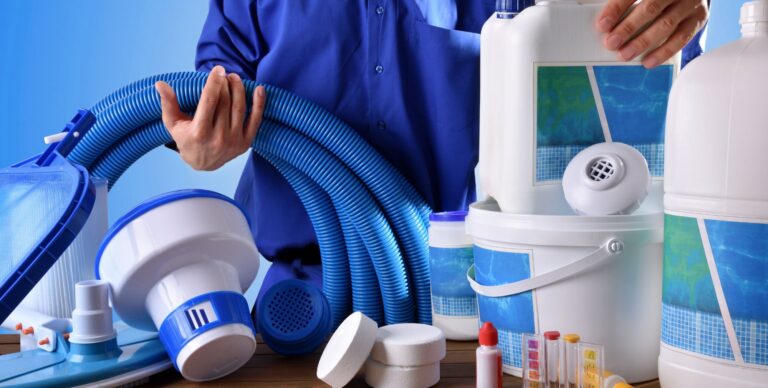
Routine cleaning prevents dirt, leaves, and other debris from clogging the system or creating an unpleasant swimming environment. Filtration systems play a central role in maintaining clear, safe water by circulating and removing impurities.

Maintenance tasks include:

  • Skimming the surface to remove floating debris

  • Vacuuming the pool floor and brushing walls to prevent algae buildup

  • Backwashing and cleaning filters for proper circulation

  • Inspecting pumps and drains for blockages or reduced efficiency

2. Chemical balance and water treatment

Water chemistry must be carefully regulated to protect swimmers and extend the life of the pool structure. Imbalanced water can cause skin or eye irritation, encourage algae growth, or damage tiles and equipment.

Key treatments involve:

  • Maintaining the correct pH level (typically between 7.2 and 7.8)

  • Regulating chlorine or alternative sanitizers for disinfection

  • Using shock treatments to eliminate bacteria after heavy usage

  • Adding algaecides and stabilizers to keep water consistently safe

3. Professional pool servicing options

While homeowners or facility managers can handle basic cleaning, professional servicing ensures deeper care. Trained technicians provide expert inspections, preventive maintenance, and timely repairs that save money in the long term.

Benefits of professional servicing:

  • Thorough checks of pumps, heaters, and filtration systems

  • Early detection of leaks, cracks, or equipment wear

  • Expert application of chemicals for precise balance

  • Hassle-free maintenance plans tailored to residential or commercial pools

Residential vs. Commercial Swimming Pools in Kenya

Deciding between a residential or commercial swimming pool requires understanding the differences in design, cost, and functionality. Each type serves unique needs, and recognizing these distinctions helps clients make informed decisions that align with their goals and budgets.

Professional Swimming Pool Contractors in Kenya

1. Design differences

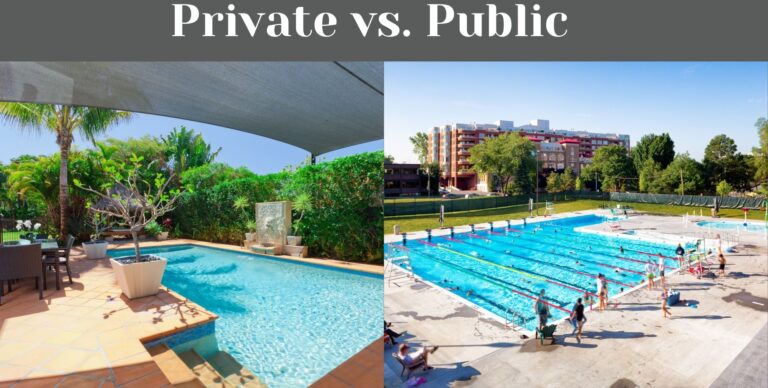
Residential pools are usually built with lifestyle, relaxation, and family use in mind. They emphasize aesthetics, customization, and comfort—often featuring creative shapes, decorative tiles, and add-ons like lighting or waterfalls.

Commercial pools, on the other hand, are designed for heavy, frequent use. Durability, accessibility, and safety compliance take priority. They are typically larger, built with reinforced structures, and equipped with wider decks, multiple ladders, or ramps to cater to many users at once.

Key distinctions:

  • Residential: personalized designs, compact sizes, tailored finishes

  • Commercial: standardized layouts, large capacity, strict adherence to safety codes

2. Cost comparison

Budgets for commercial pools are significantly higher because of their size, materials, and required equipment. They also need more robust filtration and circulation systems to handle high usage, as well as advanced safety installations. Residential pools are comparatively more affordable, though luxury or custom residential designs can still demand premium investment.

Typical trends:

  • Residential pools: smaller budgets, with costs driven mainly by design preferences and add-ons

  • Commercial pools: larger investments covering structure, safety features, staff facilities, and high-capacity systems

3. Usage and functionality

The intended purpose of the pool shapes its design and upkeep requirements. Residential pools serve as private leisure spaces, fitness amenities, or family recreation hubs. Their use is limited to a household and occasional guests.

Commercial pools are multipurpose, serving broader audiences. They host swimming lessons, aqua fitness classes, competitive training, and even public events. This wider scope means stricter maintenance routines, clear safety protocols, and more complex operational management.

Usage overview:

  • Residential: relaxation, family bonding, private fitness

  • Commercial: guest attraction, revenue generation, training, and community activities

Modern Trends in Swimming Pool Construction in Kenya

Swimming pool construction in Kenya is evolving beyond basic designs. Today’s clients seek pools that combine sustainability, technology, and luxury. Incorporating modern trends not only enhances functionality but also boosts property value and appeal, whether for private homes or commercial spaces.

Private Swimming Pools Construction in Kenya

1. Eco-friendly pools with energy-saving systems

Sustainability has become a priority in modern pool construction. Eco-friendly pools integrate systems that lower operating costs while minimizing environmental impact. These designs are especially attractive to homeowners conscious about energy bills and businesses looking to position themselves as green-friendly.

Key eco-friendly features include:

  • Solar heating systems to naturally warm water

  • LED lighting that consumes less power than traditional bulbs

  • Water recycling technologies to minimize wastage

  • Energy-efficient pumps and filtration units for reduced utility bills

2. Smart pools with automated cleaning

Technology is reshaping pool ownership by reducing the effort needed to maintain clean, safe water. Smart pools use automation to handle tasks that previously required manual monitoring. This innovation makes pool management easier for homeowners and provides commercial facilities with greater reliability.

Popular smart features include:

  • Automatic skimmers and robotic cleaners that remove debris

  • Digital pH and chlorine sensors to maintain perfect water balance

  • Remote-control apps for managing heating, lighting, and filtration from a smartphone

  • Automated covers for safety and reduced evaporation

3. Luxury features such as waterfalls, lighting, and heating

For those seeking elegance and comfort, luxury features transform pools into statement pieces. These add-ons enhance the swimming experience while boosting property aesthetics and long-term value. Hotels, resorts, and luxury residences often use such features as selling points to attract guests or buyers.

Examples of luxury upgrades:

  • Waterfalls and fountains that create a calming, resort-like atmosphere

  • Mood and underwater lighting for evening swimming and ambiance

  • Jacuzzis, spas, or heated sections for year-round use

  • Infinity edges and glass walls for a modern architectural look

Frequently Asked Questions About Swimming Pool Construction

Clients often ask similar questions before committing to pool construction. Clear answers help eliminate doubts, prevent costly mistakes, and ensure smoother planning.

1. How long does it take to build a swimming pool in Kenya?

The duration depends on the type and complexity of the pool. A standard residential pool typically takes 6–10 weeks from site survey to final handover, provided there are no major interruptions. Custom designs, infinity pools, or projects requiring advanced features may take longer. Commercial pools, given their size and safety compliance requirements, can extend to several months. Early planning and working with experienced contractors help keep timelines realistic and avoid delays.

2. What is the average cost of pool construction?

There’s no one-size-fits-all figure, as costs depend on size, design, location, and chosen materials. For instance, basic residential pools are relatively affordable and focus on functionality, while infinity, rooftop, or luxury designs require significantly higher investment due to engineering and finishes. Commercial pools are the most expensive, as they need durability, larger filtration systems, and strict adherence to safety standards. A professional site survey and quotation are the best ways to get an accurate budget tailored to your needs.

3. Which types of pools are most popular in Kenya?

The most common categories include:

  • Residential/private pools – Designed for families and personal use, customized to fit backyard spaces.

  • Commercial pools – Built for hotels, gyms, schools, and resorts to attract clients and generate revenue.

  • Fiberglass pools – Quick-to-install, cost-effective, and low maintenance.

  • Infinity and rooftop pools – Popular in luxury properties for their visual appeal and prestige.

  • Custom-designed pools – Tailored to unique property layouts or personal tastes, often including advanced features like lighting, waterfalls, or spas.

4. What safety measures should be included?

Safety is a priority for both residential and commercial pools. Families with children benefit from installing fencing, self-locking gates, and pool covers. Non-slip decking prevents falls, while pool alarms or motion sensors add extra protection. Commercial pools also require signage, lifeguard stands, and designated shallow and deep zones. Incorporating these measures from the design phase reduces risks and ensures compliance with safety standards.

5. How do I maintain my pool after construction?

Maintenance involves a combination of routine cleaning and professional servicing. Daily or weekly tasks include skimming debris, vacuuming floors, and brushing walls to prevent algae buildup. The water’s chemical balance (pH, chlorine, and stabilizers) must be regularly checked and adjusted to keep swimmers safe. Filtration and circulation systems need periodic servicing to maintain efficiency. Many pool owners also opt for annual or quarterly professional maintenance contracts, which include inspections, equipment checks, and timely repairs to prevent costly breakdowns.

6. Can I build a pool in a small or urban property?

Yes. Limited space does not rule out owning a pool. Compact solutions like plunge pools, lap pools, or rooftop installations are ideal for urban homes and apartments. With creative design, even smaller pools can serve multiple purposes—fitness, leisure, or entertainment—without overwhelming the property. Professional designers ensure the pool integrates seamlessly with landscaping or architecture while maximizing available space.

7. Does a swimming pool increase property value?

Absolutely. A professionally designed and well-maintained pool is a major value-add. In residential settings, it increases buyer interest and can justify higher selling or rental prices, especially in upscale neighborhoods. For commercial establishments, pools directly enhance brand reputation, attract more customers, and generate revenue through memberships, events, or premium bookings. Beyond financial value, a pool also elevates the property’s lifestyle appeal, making it a worthwhile long-term investment.

Professional Swimming Pool Contractors in Kenya

Ready to Build Your Dream Swimming Pool in Kenya? Get a Free Consultation Today!

Transform your property with our Swimming Pool Construction in Kenya services. We provide tailored designs, expert construction, and ongoing maintenance solutions. Whether for private luxury or commercial use, our team ensures timely and quality execution. Contact us today to bring your pool vision to life.