
Private and Public Pools in Kenya

Private and Public Pools in Kenya are more than just places to swim — they’re lifestyle assets that bring relaxation, fitness, and social connection. Whether you’re considering a pool for your home, business, or community, understanding the unique features and benefits of private and public options helps you make the right choice. With demand for modern pools growing across Kenya, now is the perfect time to explore which pool best fits your needs and lifestyle.

Professional Swimming Pool Contractors in Kenya

What Are Private Pools in Kenya?

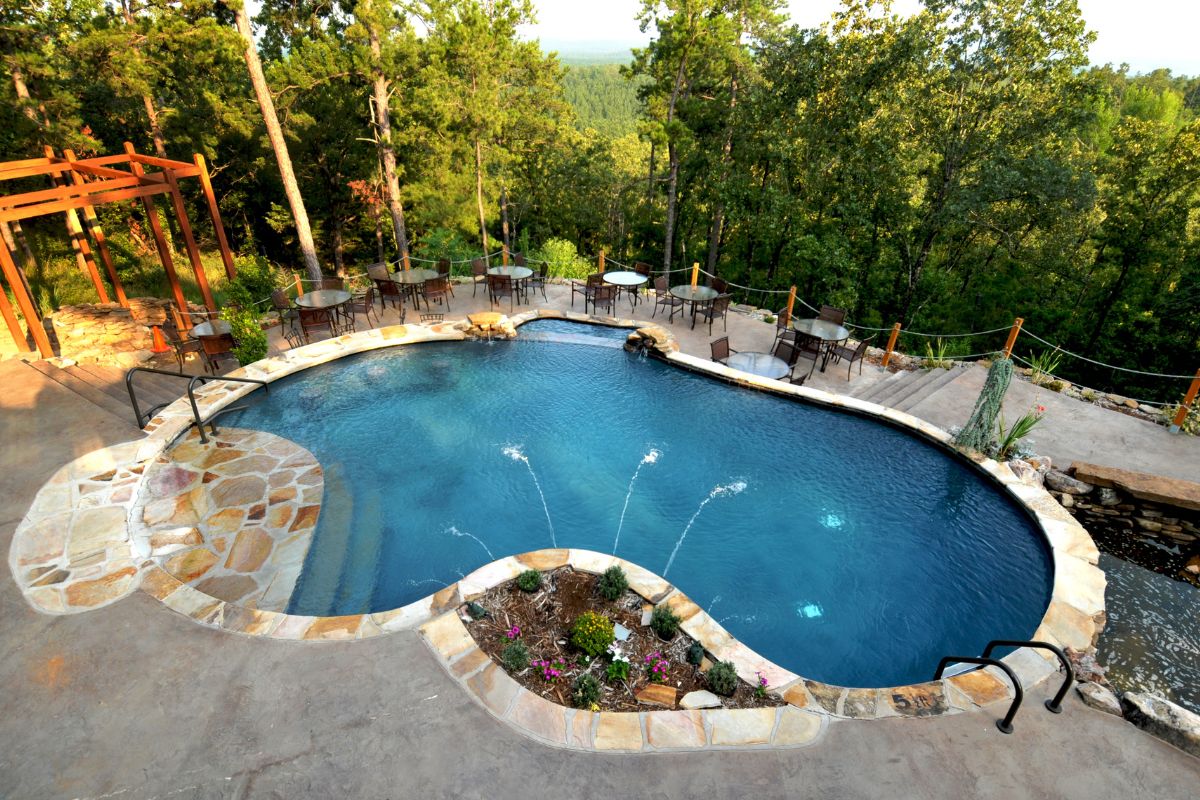
Private pools in Kenya are built for exclusive enjoyment by families, individuals, or select communities. They are most commonly located in homes, gated estates, luxury villas, or high-end resorts where exclusivity and comfort are top priorities. Unlike shared facilities, private pools are tailored to match personal lifestyle needs and design preferences, making them unique to every property owner.

One of the biggest advantages of private pools is the ability to customize every detail. Homeowners have full control over:

1. Pool Design Styles

Choose from infinity pools, lap pools, plunge pools, rooftop pools, or freeform designs to fit your property and lifestyle. Each design can be adapted to space availability and aesthetic preferences.

2. Finishes and Aesthetics

Select tiles, mosaics, waterline details, and decking materials that complement your home architecture. Premium finishes enhance both beauty and durability.

3. Special Features

Incorporate waterfalls, fountains, LED lighting, heating systems, or integrated spas to elevate comfort, functionality, and visual appeal.

4. Usage Preferences

Create a family-friendly setup with shallow ends for children or a luxury design focused on relaxation, fitness, or entertainment. Every element can be tailored to your needs.

Private pools are not just about swimming—they deliver lifestyle benefits. They provide a safe and private recreational space for children, a serene fitness spot for daily exercise, and an elegant feature that enhances property appeal. By offering privacy, exclusivity, and a strong sense of ownership, private pools give families peace of mind while adding significant long-term value to their property.

What Are Public Pools in Kenya?

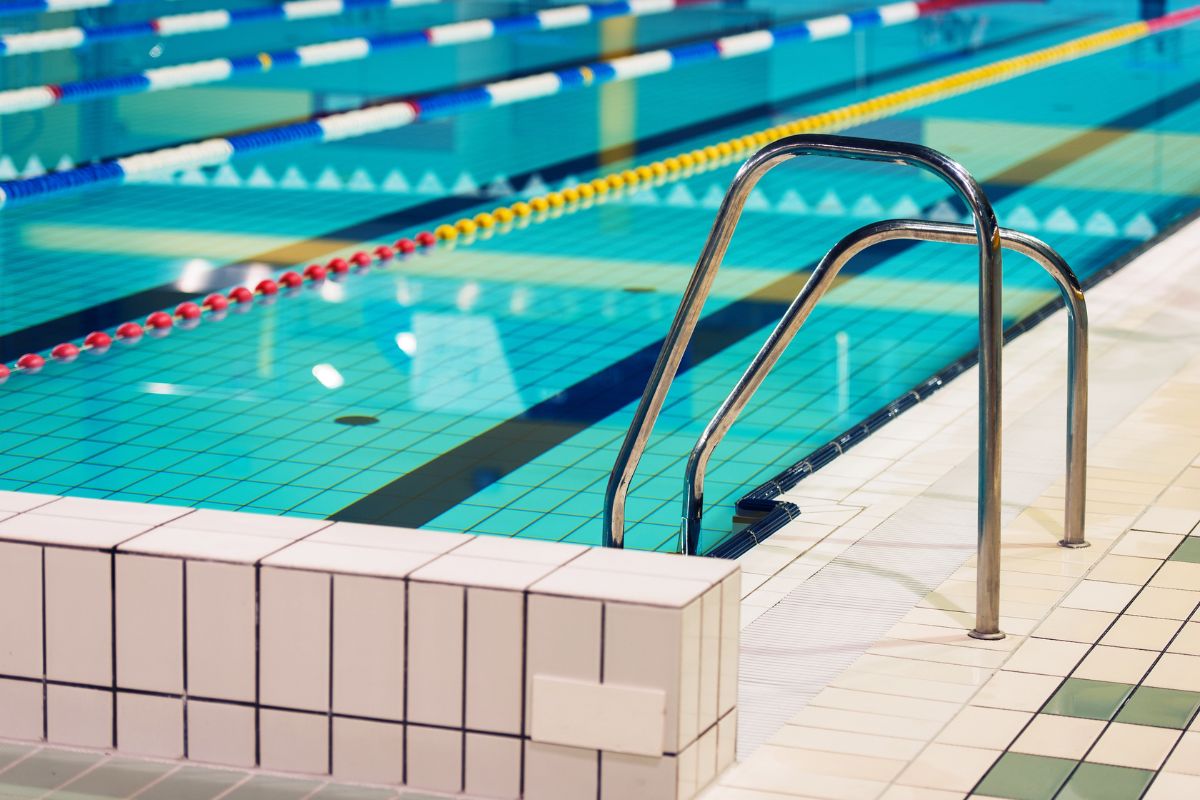
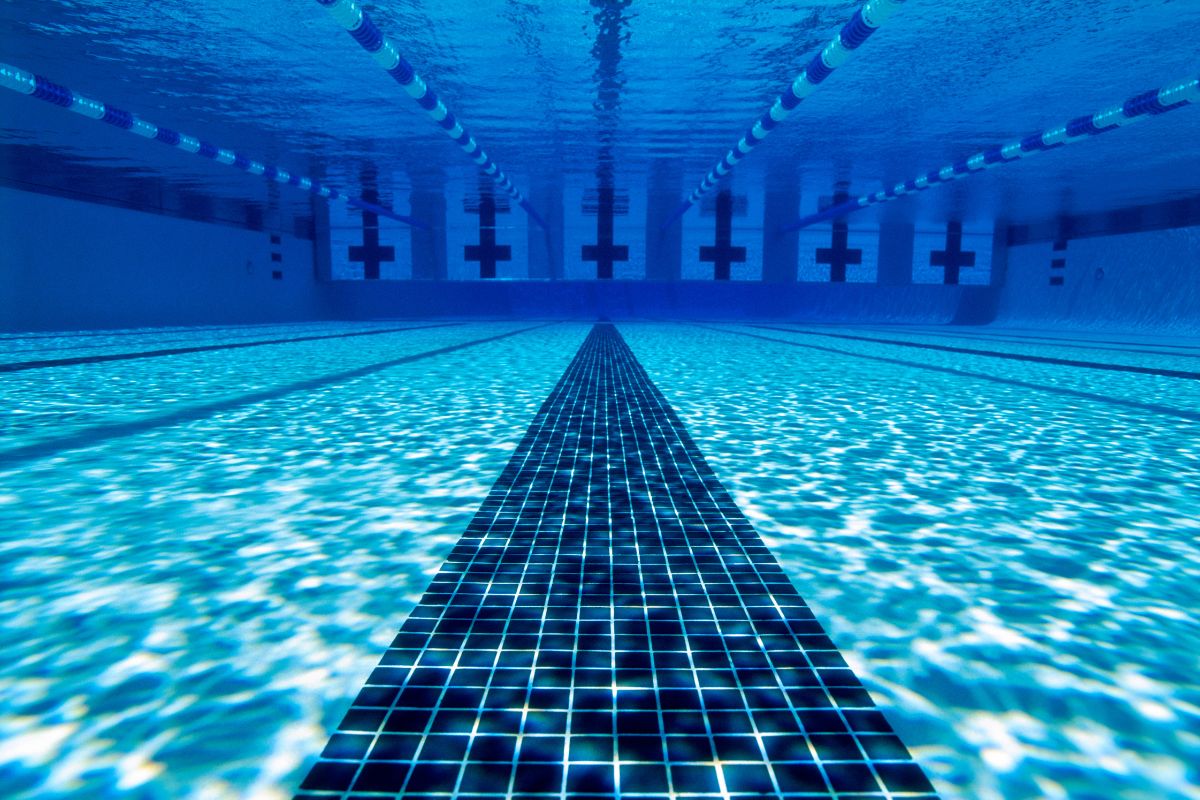
Public pools in Kenya are designed for shared use, providing access to swimming and water-based recreation for multiple individuals. They are often found in schools, hotels, gyms, and community recreation centers, and sometimes require entry fees or memberships. Public pools play a vital role in promoting health, fitness, and social interaction, making swimming accessible to people from all walks of life.

Managed effectively, public pools serve as community hubs that encourage activity, socialization, and skill development. Key aspects of public pools include:

1. Accessibility and Inclusivity

Public pools are open to all members of the community, offering opportunities for exercise, training, and recreation without the need for private ownership. They make swimming accessible to individuals who may not have the space or budget for a private pool.

2. Variety of Users and Programs

From children taking swimming lessons to competitive athletes training for events, public pools accommodate diverse user groups. Programs may include swim schools, water aerobics classes, therapy sessions, and community events.

3. Safety and Supervision

Public pools prioritize safety through lifeguards, clear signage, and strict adherence to hygiene and safety regulations. This ensures a secure environment for users of all ages and skill levels.

4. Social and Community Benefits

These pools act as social gathering points, encouraging interactions, community bonding, and recreational activities. Families, friends, and community members can enjoy group activities, competitions, and leisure time in a structured and safe environment.

5. Maintenance and Management

Effective public pool management includes routine cleaning, water treatment, and equipment servicing. Proper maintenance ensures longevity, safety, and a consistently enjoyable experience for all users.

Public pools in Kenya provide affordable access to swimming facilities while fostering health, fitness, and community engagement. They complement private pools by offering shared spaces for learning, recreation, and social interaction, making them essential assets in urban and suburban areas.

Key Differences Between Private and Public Pools

Understanding the distinctions between private and public pools in Kenya helps homeowners, businesses, and community planners make informed decisions. These differences affect cost, design, maintenance, and user experience. Here’s a detailed breakdown:

Swimming Pool Resurfacing in Kenya

1. Ownership and Accessibility

Private pools are owned by individuals, families, or private entities and are accessible only to authorized users. Public pools, on the other hand, are community or commercially managed and open to multiple users, sometimes with entry fees or membership requirements. This distinction influences how the pool is used, supervised, and maintained.

2. Design, Size, and Features

Private pools can be customized for aesthetic appeal and lifestyle preferences, including unique shapes, infinity edges, plunge pools, or luxury finishes. Public pools are generally larger, standardized, and designed to accommodate high traffic while prioritizing safety and durability. Features such as diving boards, lap lanes, and accessibility ramps are often included to serve diverse user needs.

3. Maintenance and Management Requirements

Private pools rely on homeowners or estate staff for routine maintenance, cleaning, and equipment servicing. Public pools require professional management teams to handle regular water treatment, hygiene checks, safety supervision, and crowd management. This ensures compliance with local health and safety regulations and keeps the facility functional for a wide range of users.

4. Cost Implications for Users and Owners

Installing a private pool involves upfront construction and ongoing maintenance costs, but usage is exclusive, providing privacy and long-term value. Public pools spread the cost across multiple users or memberships, making swimming affordable for individuals while requiring significant investment in safety measures, staffing, and upkeep. Budgeting and financial planning differ significantly depending on whether the pool is private or public.

5. User Experience and Privacy

Private pools offer exclusivity, allowing owners to control access, schedules, and activities. Public pools encourage social interaction and community engagement but may experience overcrowding, limiting privacy. Understanding how these differences impact enjoyment and convenience helps clients select the right pool type for their goals.

Benefits of Private Pools in Kenya

Private pools in Kenya offer more than just a place to swim—they elevate lifestyle, provide relaxation, and add long-term value to properties. Here’s why investing in a private pool can transform your home or estate:

1. Privacy and Exclusivity

Private pools provide a safe and secluded space for family and friends. You control who uses the pool, when it’s accessed, and how it’s enjoyed, offering peace of mind that public facilities cannot. This exclusivity makes every swim a comfortable and stress-free experience.

2. Customized Design and Lifestyle Fit

Private pools are fully customizable to reflect your taste, lifestyle, and property layout. From infinity pools with scenic views to plunge pools for compact spaces, our design team ensures each pool complements your home and daily routines. You can integrate features like LED lighting, waterfalls, or spas to create a unique and personalized swimming environment.

3. Safe Recreational Space for Families

For households with children, private pools provide a controlled environment that is easier to supervise. Safety measures such as fencing, pool covers, and alarms can be implemented according to your preferences, reducing the risk of accidents. Families enjoy peace of mind while creating lasting memories in a secure space.

4. Increased Property Value

A professionally constructed private pool enhances your property’s market appeal and resale value. It becomes a premium feature that attracts potential buyers, tenants, or guests. Beyond aesthetics, the functional and recreational advantages make your investment worthwhile in both lifestyle and financial terms.

5. Convenience and Accessibility

Having a private pool means swimming and relaxation are available on-demand, without worrying about public schedules or overcrowding. You can maintain consistent exercise routines, host gatherings, or unwind anytime, making it a true extension of your home lifestyle.

Benefits of Public Pools in Kenya

Public pools in Kenya are essential community assets, offering access to recreation, fitness, and social interaction for a wide range of people. Here’s why investing in or utilizing public pools provides value:

1. Affordable Access to Swimming Facilities

Public pools provide swimming opportunities for people who may not have private pools. Entry fees or memberships are generally low, allowing individuals, families, and students to enjoy swimming without the costs of installation and maintenance. This accessibility ensures more people can benefit from the health and recreational advantages of swimming.

2. Encourages Community Bonding and Social Activities

Public pools serve as social hubs where communities gather, interact, and participate in group activities. Families, friends, and neighbors can bond during swim sessions, classes, or poolside events. These shared experiences foster stronger community ties and promote a sense of belonging.

3. Great for Swimming Lessons, Training, and Sports

Public pools provide the infrastructure for swimming education, athletic training, and water sports. Schools, gyms, and clubs often use these facilities to offer structured lessons, competitions, and fitness programs. Access to proper pool facilities supports skill development, health improvement, and professional training for athletes.

4. Promotes Health and Fitness at Scale

Public pools allow multiple users to engage in low-impact exercise, benefiting cardiovascular health, muscle strength, and mental wellness. Regular swimming in public facilities encourages healthy lifestyles across diverse age groups and fitness levels.

5. Opportunities for Recreational Events and Programs

Many public pools host events, classes, and workshops that enhance recreational engagement. These programs can range from aqua aerobics and therapy sessions to community swim competitions. By participating, residents gain additional value from shared public resources.

Challenges of Private Pools vs. Public Pools in Kenya

Understanding the potential challenges of private and public pools helps clients make informed decisions and prepare for proper maintenance. Both types offer unique benefits but come with considerations that should be addressed.

Professional Swimming Pool Contractors in Kenya

1. Higher Installation and Maintenance Costs for Private Pools

Private pools require a significant initial investment, including excavation, construction materials, and professional labor. After installation, ongoing costs include water treatment, cleaning equipment, energy for pumps and heating, and routine servicing. Homeowners must also budget for repairs, resurfacing, or feature upgrades to maintain safety and aesthetics over time.

2. Overcrowding in Public Pools

Public pools often accommodate many users simultaneously, especially during peak hours. Overcrowding can reduce swimming enjoyment, limit access for lessons or training, and put pressure on facilities. Proper scheduling, lane management, and user limits are essential to ensure a safe and enjoyable environment.

3. Hygiene Issues in Public Pools

Maintaining water quality in public pools is more complex due to high usage. Without strict chemical balance, filtration, and routine cleaning, public pools risk bacterial growth, algae formation, and unpleasant odors. Professional pool management and regular monitoring are critical to keeping public facilities safe and hygienic.

4. Safety Concerns for Public Pools

With multiple users, the risk of accidents in public pools increases. Lifeguard supervision, safety signage, fencing, and compliance with local regulations are essential for reducing hazards. Implementing clear safety protocols ensures that public pools remain secure and reliable for all visitors.

5. Long-Term Durability and Upkeep Challenges for Private Pools

Even with exclusive use, private pools face wear and tear from weather, water chemistry, and frequent usage. Cracks, leaks, or damaged tiles can develop if not addressed promptly, leading to more costly repairs. Regular inspections and preventive maintenance are necessary to maximize lifespan and maintain property value.

6. Management and Operational Complexity for Public Pools

Running a public pool requires administrative oversight, staff training, scheduling, and budget management. Without skilled personnel, these operations may struggle with maintenance, safety, and customer satisfaction. Partnering with professional pool service providers ensures efficient and compliant management.

Private and Public Pools for Businesses in Kenya

Businesses across Kenya are leveraging the appeal of private and public pools to boost customer engagement, brand value, and community impact. Pools are more than amenities—they serve as strategic investments that attract clients, promote wellness, and enhance overall property appeal.

1. Resorts and Hotels Using Pools as Customer Attractions

Pools are a central feature in resorts and hotels, enhancing guest experience and satisfaction. Infinity pools, luxury lap pools, or family-friendly designs create visual appeal and leisure opportunities that encourage longer stays and repeat visits. Well-maintained pools can also differentiate a property from competitors, increasing bookings and overall revenue.

2. Schools, Gyms, and Wellness Centers Offering Pool Facilities

Educational institutions and fitness centers benefit from pools for swimming lessons, training programs, and wellness activities. Pools provide students and members with a safe and effective environment for skill development, fitness, and recreation. Structured programs, such as swim coaching or aquatic therapy, add value to these facilities and attract more enrollments.

3. Community and Government-Managed Pools for Public Use

Public pools managed by municipalities or community organizations promote health, fitness, and social cohesion. They provide affordable access to swimming, encourage outdoor activity, and serve as venues for events, competitions, and social gatherings. Proper planning, professional management, and regular maintenance ensure these pools remain safe, hygienic, and enjoyable for all residents.

4. Business Advantages of Pool Investments

Whether private or public, pools enhance property branding, increase customer satisfaction, and create long-term value. For businesses, the Lifestyle and Benefits of Swimming Pools extend beyond aesthetics—they provide a competitive edge, foster loyalty, and support wellness-focused services.

How to Choose Between a Private and Public Pool in Kenya

Choosing the right type of pool for your property in Kenya depends on lifestyle, budget, and intended use. Our expertise helps clients weigh the advantages of private and public pools, ensuring the best decision for personal or business needs. Consider the following factors when making your choice:

Swimming Pool Resurfacing in Kenya

1. Budget Considerations

The first step is determining your budget for construction, maintenance, and upgrades. Private pools typically require higher initial investment and ongoing costs, while public pools may benefit from shared usage or community funding. Planning a realistic budget ensures you select a pool that fits your financial capacity without compromising quality.

2. Lifestyle and Family Needs

Private pools are ideal for families or individuals seeking privacy, exclusivity, and personalized design. They offer complete control over features, size, and usage schedules. Public pools, in contrast, are suitable for communities, schools, or fitness facilities where multiple users require safe, accessible swimming areas. Your lifestyle and household priorities should guide this decision.

3. Business or Community Use Cases

For commercial or community projects, public pools provide greater accessibility and revenue opportunities. Schools, gyms, hotels, and resorts often choose public-style pools to accommodate many users, provide lessons or training, and enhance brand value. Private pools can also serve commercial spaces as luxury features, but with controlled access and exclusivity.

4. Maintenance and Management Capacity

Private pools require dedicated maintenance, water treatment, and servicing to ensure safety and longevity. Public pools demand even more rigorous management due to high traffic and hygiene concerns. Consider the availability of professional support and resources before deciding which pool type aligns with your operational capabilities.

5. Long-Term Value and Property Goals

Assess how the pool will contribute to property value, appeal, and overall lifestyle. Private pools increase resale value for homes or villas and enhance family enjoyment. Public pools boost community engagement, business revenue, and recreational opportunities. Aligning your choice with long-term objectives ensures your investment remains beneficial and sustainable.

Maintenance of Private and Public Pools

Proper maintenance is essential for keeping pools safe, hygienic, and visually appealing. Our services ensure that both private and public pools in Kenya remain in top condition, minimizing costly repairs and maximizing enjoyment. Consider the following aspects of pool maintenance:

Commercial Swimming Pools Construction in Kenya

1. Routine Cleaning and Water Treatment

Regular cleaning prevents debris buildup, algae growth, and cloudy water. Skimming, vacuuming, and brushing surfaces keep pools visually appealing, while consistent chemical treatment maintains pH balance, chlorine levels, and water hygiene. Proper water treatment ensures safe swimming for families, guests, or the community.

2. Professional Pool Management Services

Engaging experts ensures that your pool operates efficiently and meets safety standards. Our team provides scheduled inspections, equipment servicing, and water testing. For public pools, professional management also includes monitoring usage patterns, enforcing rules, and maintaining sanitation to handle high traffic.

3. Equipment Inspection and Repairs

Pumps, filters, heaters, and lighting systems require regular inspection to prevent malfunctions and extend their lifespan. Timely repairs avoid downtime and maintain optimal performance. Both private and public pool owners benefit from professional oversight, which guarantees that all equipment functions correctly and safely.

4. Cost of Maintaining Different Pool Types

Maintenance costs vary depending on pool size, type, and usage frequency. Private pools generally incur lower ongoing costs but require personal commitment to upkeep. Public pools, with higher user traffic, demand more extensive cleaning, chemical treatment, and staff management. Understanding these differences helps clients plan budgets effectively.

5. Seasonal and Preventive Maintenance

Seasonal maintenance, such as adjusting water chemistry for changing weather or covering pools during off-peak periods, prevents long-term damage. Preventive care, including inspecting surfaces and plumbing systems, reduces the risk of expensive repairs and ensures year-round usability.

Future of Private and Public Pools in Kenya

The future of private and public pools in Kenya is shaped by rising lifestyle trends, technological innovations, and growing community demand. Investing in modern, sustainable, and accessible pools ensures lasting value and enjoyment for homeowners, businesses, and public facilities. Here’s what to expect:

Swimming Pool Resurfacing in Kenya

1. Growing Demand for Lifestyle and Recreational Pools

As more homeowners and businesses prioritize leisure and wellness, private pools are becoming central to property design. Resorts, hotels, and fitness centers increasingly integrate pools to attract clients and enhance experiences. Communities are also advocating for more public swimming facilities to promote healthy lifestyles.

2. Innovations in Pool Design and Technology

Modern pools feature advanced materials, automated systems, and energy-efficient technologies. Smart pumps, automated chemical dosing, LED lighting, and solar heating reduce operating costs while improving convenience. Design innovations, such as infinity edges, multi-level layouts, and ergonomic steps, combine aesthetics with functionality.

3. Eco-Friendly and Sustainable Pool Systems

Sustainability is becoming a priority in pool construction and maintenance. Rainwater harvesting, efficient filtration systems, low-energy pumps, and eco-friendly chemicals minimize environmental impact. These features are especially appealing to businesses and communities seeking green solutions without compromising quality.

4. Expanding Public Facilities for Communities

Local governments and organizations are investing in public pools to increase access to swimming and recreational spaces. Community pools encourage social interaction, support youth development programs, and provide venues for sports and wellness activities. Future projects will focus on safety, accessibility, and maintenance efficiency.

5. Integration of Wellness and Recreational Amenities

Pools are increasingly paired with spa areas, fitness zones, and outdoor relaxation spaces. This integration enhances lifestyle benefits and attracts more users. Private and public pool projects now consider holistic wellness, including hydrotherapy, resistance training, and recreational features for all age groups.

By embracing these trends, pool owners, businesses, and communities in Kenya can ensure that their private and public pools remain valuable, functional, and enjoyable for years to come. Our team provides expert guidance to implement modern designs, sustainable systems, and future-proof solutions tailored to your needs.

Frequently Asked Questions About Private and Public Pools in Kenya

Understanding common questions helps clients make informed decisions when planning, building, or maintaining private and public pools in Kenya. Here are answers to the most frequently asked questions:

1. What is the main difference between private and public pools?

Private pools are designed for exclusive use by individuals, families, or specific property residents, offering privacy, customization, and lifestyle benefits. Public pools, on the other hand, are open to multiple users, often managed by schools, gyms, resorts, or community organizations. They focus on accessibility, safety, and accommodating larger groups while encouraging social interaction and recreational activities.

2. How much does it cost to build a private pool in Kenya?

The cost varies depending on pool size, materials, design complexity, and additional features like lighting, heating, or water features. Standard private pools in homes or villas are generally more affordable than commercial or large luxury pools. Working with experienced contractors ensures transparent pricing and a pool design that balances budget and lifestyle preferences.

3. How much does it cost to build a public or commercial pool?

Public pools often require larger budgets due to structural requirements, high-traffic durability, advanced filtration, safety equipment, and compliance with regulations. Schools, hotels, gyms, or community pools may also invest in aesthetic features and recreational equipment. Proper planning and phased construction can help manage costs while meeting user capacity and safety standards.

4. What maintenance is required for private pools?

Private pools require routine cleaning, chemical balancing, filter servicing, and occasional resurfacing or equipment replacement. Maintenance frequency depends on usage, water quality, and environmental factors. Regular professional servicing ensures water hygiene, prolongs equipment life, and maintains a visually appealing pool area.

5. What maintenance is required for public pools?

Public pools demand stricter maintenance due to higher user volume. Continuous water monitoring, daily cleaning, chemical adjustments, and routine equipment inspections are necessary to prevent contamination, ensure safety, and comply with health regulations. Employing professional pool managers or certified technicians is highly recommended for public facilities.

6. Are private pools safe for children?

Yes, when equipped with proper safety measures like fencing, covers, alarms, and supervision. Private pools allow parents to control the environment and implement child-friendly features such as shallow areas, non-slip surfaces, and gradual steps. Safety planning should always be a priority when designing a family pool.

7. Are public pools safe for large groups?

Public pools can be very safe if they follow local safety guidelines, have trained lifeguards, and maintain water quality. Entry management, safety signage, and user education are critical for minimizing risks. Regular inspections and maintenance ensure that high traffic does not compromise safety.

8. How long does it take to build private and public pools?

Construction timelines depend on pool type, size, materials, and site conditions. Small private pools may take a few weeks to complete, while larger private or public pools can take several months. Working with experienced contractors helps streamline the process and reduces delays while maintaining quality.

9. Can I customize a private pool?

Absolutely. Private pools offer complete design flexibility, including shape, size, depth, finishes, lighting, water features, and heating systems. Customization allows the pool to match personal lifestyle, home architecture, and aesthetic preferences. Our team provides 3D design previews and consultation to ensure your vision becomes reality.

10. Can public pools include additional features?

Yes, public pools can be enhanced with slides, fountains, infinity edges, pool gyms, or therapeutic sections. These features improve user experience, attract more visitors, and increase the value of the facility. Planning should always balance safety, usability, and maintenance requirements.

11. How do I choose between a private and public pool?

Consider your budget, intended usage, lifestyle needs, and property type. Private pools are ideal for exclusive family use and luxury living, while public pools serve communities, schools, gyms, or commercial establishments. Our experts guide clients in selecting the right pool type to meet personal or business goals while optimizing cost and design.

12. Can I combine private and public pool features?

Yes, hybrid designs can incorporate privacy zones, recreational areas, and fitness sections. Resorts, hotels, and wellness centers often use this approach to serve both exclusive guests and general users. Combining features maximizes functionality, user satisfaction, and return on investment.

13. What are the long-term benefits of having a pool?

Pools enhance property value, support a healthy lifestyle, provide entertainment, and serve as attractive social spaces. They offer stress relief, fitness opportunities, and luxury appeal for private owners, and foster community engagement for public facilities. Properly constructed and maintained pools are long-term assets that improve quality of life.

By addressing these questions, clients gain clarity on construction, costs, maintenance, and benefits of private and public pools in Kenya. Our team ensures professional guidance and tailored solutions to help you make informed decisions and achieve a pool that meets your lifestyle, business, or community goals.

Professional Swimming Pool Contractors in Kenya

Upgrade Your Property With Expert Private and Public Pools in Kenya

At Swimming Pools Contractor, we specialize in designing and building both private and public pools in Kenya tailored to your needs. Whether you want a luxury pool at home or a functional pool for your school, gym, or resort, we provide customized solutions that guarantee quality and durability. Explore the full Lifestyle and Benefits of Private and Public Pools in Kenya with us today and transform your property into a hub of relaxation and fitness. Contact our expert team now to start your project.