
Swimming Pool Installation and Costs

Swimming Pool Installation and Costs are among the most important considerations when planning a pool project in Kenya. Many property owners dream of transforming their outdoor space into a luxurious retreat, but cost uncertainties and the installation process can feel overwhelming. That’s where we come in. At our store, we simplify everything, from design and construction to transparent pricing. By understanding Swimming Pool Installation and Costs, you can make informed decisions, manage your budget effectively, and get the pool that enhances your property and lifestyle.

Private Pool Installation in Kenya

Understanding Swimming Pool Installation

Before you begin budgeting, it’s essential to understand how Swimming Pool Installation and Costs are determined: the process is more than just digging a hole and filling it with water. It requires careful planning, professional expertise, high-quality materials, and precise execution to ensure long-term durability and safety. By knowing what each stage involves, you can better prepare your budget, anticipate timelines, and avoid costly mistakes that come with cutting corners.

1. Step-by-step process of pool installation:

The installation journey follows a structured approach: each step adds value, ensures safety, and influences the total cost of your project. Here’s how the process unfolds:

a. Site survey and design planning

Every successful project begins with a professional site assessment: at this stage, our experts evaluate the available space, soil condition, and site accessibility. This ensures the design matches your lifestyle while controlling costs.

b. Excavation and structural work

Once the design is finalized, excavation begins: this includes digging to the specified shape and depth, reinforcing with steel, and preparing foundations. Unexpected ground conditions may affect cost, but our team minimizes risks while ensuring integrity.

c. Plumbing and electrical installations

Your pool’s functionality depends on efficient systems: filtration, circulation, pumps, lighting, and optional water features are installed here. Choosing energy-efficient options helps reduce long-term running costs.

d. Finishing and decking

The finishing stage defines both beauty and safety: clients can select tiles, non-slip decking, natural stone, or luxury extras like waterfalls and LED lighting. Each choice affects cost and overall design appeal.

e. Filling and testing

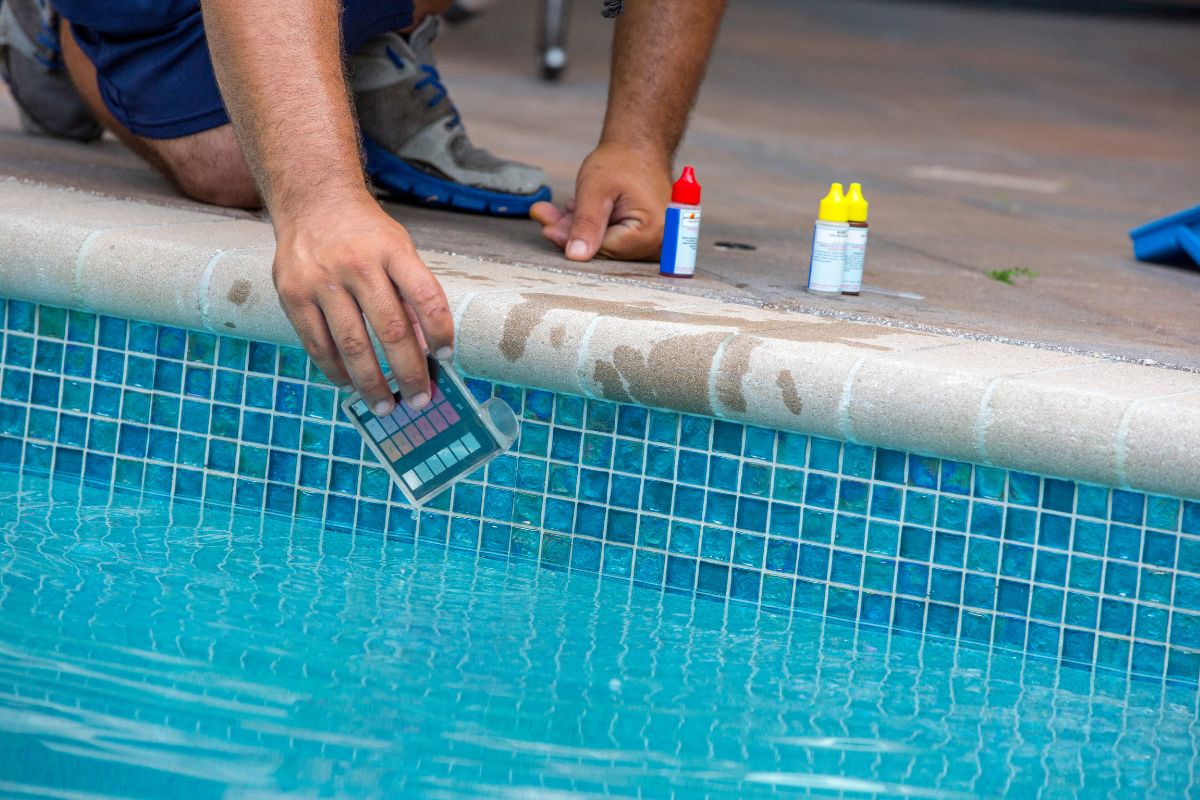
The final stage ensures your pool is ready for use: water is filled, chemicals are balanced, and all systems are tested. A final inspection confirms that your pool meets safety and quality standards.

Importance of professional installation:

When it comes to Swimming Pool Installation and Costs, professional expertise makes all the difference: a pool is a long-term investment, and the way it is built directly impacts its safety, durability, and overall value. Relying on experienced professionals ensures that your dream pool not only looks stunning but also functions seamlessly for years without unexpected repairs or risks.

Private Pool Installation in Kenya

1. Structural integrity

A pool is only as strong as its foundation. Professional contractors carry out soil analysis, reinforcement, and waterproofing to prevent cracks, leaks, or collapses. Using substandard materials or incorrect installation methods often leads to structural failure within a few years. With us, you benefit from precision engineering that guarantees your pool stands the test of time, even in Kenya’s varying climates.

2. Compliance with safety standards

Pools require more than just digging and filling with water — they must meet strict safety codes. This includes proper slope gradients, anti-slip finishes, electrical safety for pumps and lighting, and safe water circulation systems. Professional installation ensures all these factors are addressed, reducing the risk of accidents and making the pool safe for both children and adults.

3. Time and cost efficiency

Hiring professionals might seem more expensive upfront, but it actually saves money in the long run. Without expert guidance, many property owners face costly reworks, extended construction delays, and hidden expenses like drainage issues or faulty filtration systems. Professionals streamline the process, use the right equipment, and complete projects within realistic timelines — ensuring you enjoy your pool sooner without unnecessary overspending.

4. Custom design precision

Every property is unique, and so are client expectations. Professional pool builders adapt designs to fit your available space, budget, and personal style. From modern infinity edges to family-friendly shallow zones, the details are customized to your lifestyle. This precision ensures your pool isn’t just functional but also enhances your property’s aesthetics and long-term value.

Timeline for different types of pools:

When planning Swimming Pool Installation and Costs, understanding timelines is critical for setting realistic expectations. Different pool types vary in duration depending on design, materials, and installation methods. By knowing how long each option takes, you can align your budget and lifestyle needs without surprises.

Private Pool Installation in Kenya

1. Fiberglass pools – 2 to 4 weeks

Fiberglass pools offer the fastest installation because they are pre-manufactured and delivered as a single piece. After excavation, the shell is lowered into place, followed by plumbing, backfilling, and decking. This efficiency makes them ideal for families who want minimal disruption and a pool ready to use in weeks rather than months.

2. Concrete pools – 8 to 12 weeks

Concrete pools require more time because every stage is custom-built on-site. The process includes excavation, reinforcement, plumbing, pouring, curing, and finishing with tiles or plaster. While this longer timeline may test your patience, it allows for limitless customization, premium features, and unmatched durability — making it the top choice for luxury properties.

3. Vinyl pools – 4 to 6 weeks

Vinyl pools fall between fiberglass and concrete in terms of timeline. Installation involves building wall structures, laying a foundation, and fitting the vinyl liner. They balance affordability and customization, appealing to homeowners who want a quicker installation than concrete but with more design flexibility than fiberglass.

Types of Swimming Pools Available in Kenya:

Choosing the right pool type is one of the most important decisions when planning Swimming Pool Installation and Costs. Each pool option comes with its own construction process, durability level, and maintenance demands. By understanding these variations, you can select a design that fits your budget, space, and lifestyle goals:

1. Concrete swimming pools

Concrete pools are the most versatile and customizable choice. They can be designed in free-form shapes, luxury styles, and tailored finishes to match any property. While they take longer to install — typically 8 to 12 weeks — their durability and ability to incorporate features like waterfalls, spas, and infinity edges make them a long-term investment for homeowners seeking exclusivity and luxury.

2. Fiberglass swimming pools

Fiberglass pools are pre-molded shells that are delivered and installed into an excavated site. This makes them one of the fastest to install, often ready within 2 to 4 weeks. They require less chemical maintenance, resist algae growth, and are smooth to the touch. These benefits make fiberglass pools cost-efficient in the long run and perfect for homeowners looking for quick installation and minimal upkeep.

3. Vinyl-lined pools

Vinyl pools provide an affordable solution while offering flexibility in shape and size. They use a vinyl liner over a steel or polymer frame, making them more budget-friendly upfront. However, liners typically need replacement every 7–10 years, which adds to long-term Swimming Pool Installation and Costs. Still, they remain a practical option for families who want a stylish pool without stretching their budget too far.

4. Above-ground pools

Above-ground pools are a cost-effective and practical alternative for homeowners with smaller budgets or limited space. They require minimal excavation and can be installed relatively quickly. While they may not offer the same luxury feel as in-ground pools, they’re ideal for temporary setups, seasonal use, or those who want to enjoy swimming benefits without major construction work.

5. Infinity and luxury pools

Infinity and luxury pools are the hallmark of modern, high-end properties. With features like vanishing edges, glass walls, heating systems, and artistic finishes, they create a visually stunning effect. These pools demand higher budgets and longer timelines, but they also elevate property value significantly and provide a one-of-a-kind experience for homeowners who prioritize aesthetics and exclusivity.

Factors That Affect Swimming Pool Installation Costs in Kenya:

When budgeting for your project, it’s crucial to understand the elements that directly influence Swimming Pool Installation and Costs. These factors vary depending on pool type, design, and property requirements. By planning carefully, you can make smarter choices that balance cost with long-term value.

Professional Swimming Pool Contractors in Kenya

1. Pool size and depth

The larger and deeper a pool, the higher the overall cost. This is because bigger pools require more materials, more excavation work, and longer labor hours. Deeper pools may also need stronger reinforcement and advanced safety features. Homeowners should weigh their lifestyle needs — whether they want a small leisure pool or a full-sized lap pool — against budget realities.

2. Design complexity and features

Pools with advanced designs naturally cost more than standard rectangular layouts. Adding features such as waterfalls, fountains, lighting systems, mosaics, heating, and spa areas enhances the pool’s appeal but also increases installation costs. These customizations turn your pool into a luxury statement piece, but they require higher budgets and skilled professionals to install correctly.

3. Type of materials used

The choice of materials has a significant impact on Swimming Pool Installation and Costs. For example:

  • Concrete pools are durable and highly customizable but take longer to build, increasing labor costs.

  • Fiberglass pools are quicker to install and lower in maintenance, often saving on long-term expenses.

  • Vinyl-lined pools are more affordable upfront, though liner replacement adds costs every 7–10 years.

  • Luxury finishes like glass tiles, marble, or custom decking demand higher budgets but deliver a premium aesthetic.

4. Labor and contractor fees

Hiring an experienced contractor often comes at a higher price, but it ensures safety, structural integrity, and a longer-lasting pool. Skilled professionals also help avoid costly mistakes, poor finishing, or hidden issues that could result in expensive repairs later. Investing in quality workmanship upfront is often more cost-effective in the long run.

5. Location and accessibility of site

Your property’s location plays a big role in overall costs. If your site is in a remote or hard-to-reach area, transportation of materials and equipment becomes more expensive. Difficult terrain, narrow access routes, or rocky soil conditions may also require additional excavation and preparation, further increasing costs. Planning ahead with a site survey helps minimize these challenges and budget surprises.

Average Cost of Swimming Pool Installation in Kenya:

Many clients ask us about the average Swimming Pool Installation and Costs, but the truth is, prices vary widely depending on pool type, design, and finishes. By understanding the cost ranges, you’ll be better equipped to plan your budget and align it with your lifestyle goals.

Professional Swimming Pool Contractors in Kenya

1. Estimated cost for standard residential pools

A basic residential concrete pool in Kenya typically ranges between KES 2.5M and KES 4M, depending on size, depth, and finishings. This price usually covers excavation, structure, plumbing, tiling, and basic decking. Homeowners who want functional family pools often fall into this budget range. However, upgrading to premium finishes like mosaic tiles or designer decking can quickly push costs higher.

2. Cost comparison for fiberglass vs. concrete pools

The choice of material greatly impacts Swimming Pool Installation and Costs:

  • Fiberglass pools: These come pre-molded, which reduces construction time and labor costs. They have a lower upfront cost, minimal maintenance, and are ready for use in as little as 2–4 weeks.

  • Concrete pools: While more expensive upfront, concrete pools offer full customization in terms of shape, depth, and finishes. They take longer to build (8–12 weeks) but deliver long-term durability and premium appeal.

3. Budget-friendly options vs. luxury installations

Your pool investment depends on whether you prioritize affordability or luxury:

  • Budget-friendly pools: Above-ground or vinyl-lined pools are the most affordable options, requiring less excavation and simpler finishes. They are ideal for homeowners who want a functional swimming space without overspending.

  • Luxury pools: Infinity edges, waterfalls, advanced lighting, heating systems, and artistic tiling raise the budget but also elevate property value and aesthetics. While luxury pools require larger investments, they create a lasting lifestyle upgrade and enhance resale value.

Hidden Costs to Consider in Pool Installation:

Beyond the upfront construction, many homeowners overlook the additional expenses that influence Swimming Pool Installation and Costs. Factoring in these hidden costs from the start will help you plan a realistic budget and avoid financial surprises during the project.

Commercial Swimming Pools Construction in Kenya

1. Excavation and site preparation

Excavation isn’t always straightforward. Unexpected conditions such as rocky soil, high water tables, or limited site access can increase costs significantly. In some cases, specialized machinery or soil reinforcement may be required. These hidden costs can add weeks to your project and thousands of shillings to the budget, making accurate site surveys essential.

2. Plumbing and electrical work

Every pool needs plumbing and electrical connections, but the level of sophistication varies:

  • Basic systems: Standard filtration and pumps.

  • Advanced systems: Heating, automated cleaning, pH balancing, smart pool controls, and LED lighting.

The more advanced your pool features, the higher your costs for both installation and ongoing utility consumption. However, investing in modern systems ensures long-term savings and easier maintenance.

3. Landscaping and decking

The pool itself is only part of the visual appeal. Landscaping and decking often add 20–30% to the total cost of installation. Options like wooden decks, stone paving, artificial grass, or designer gardens transform the space into a complete relaxation hub. While these features elevate aesthetics and usability, they can significantly raise your total investment.

4. Maintenance systems (filtration, heating, lighting)

The choice of systems for filtration, heating, and lighting influences both upfront and long-term Swimming Pool Installation and Costs. For instance:

  • Standard systems: Lower initial costs but higher monthly bills.

  • Energy-efficient systems: Higher upfront cost but long-term savings in power and water consumption.

By investing in advanced, eco-friendly systems, you ensure sustainability, lower operational expenses, and a pool that delivers value for decades.

Cost of Maintaining a Swimming Pool in Kenya:

Understanding Swimming Pool Installation and Costs isn’t complete without factoring in ongoing maintenance. A pool isn’t just about the initial build; it requires regular care to stay safe, functional, and visually appealing. Here are the key elements that shape long-term maintenance costs:

1. Regular cleaning and chemical balancing

Keeping your pool water clean and safe requires consistent maintenance. Monthly expenses typically include chlorine or salt, pH balancers, algae prevention treatments, and tools like brushes and vacuuming equipment. Skipping routine care leads to algae growth, cloudy water, and costly damage to filtration systems. On average, most homeowners spend KES 10,000–20,000 per month on cleaning and chemicals, depending on pool size and frequency of use.

2. Energy consumption for pumps and heaters

Pool pumps, filters, and heaters are essential for water circulation and temperature control, but they also increase your electricity bills. Larger pools or heated pools consume more energy, with costs ranging between KES 8,000–15,000 monthly. Energy-efficient pumps or solar heating systems can reduce these expenses, offering both environmental and financial savings over time.

3. Repair and resurfacing expenses

Every pool material has its own maintenance cycle:

Private Pool Installation in Kenya

  • Concrete pools may require resurfacing every 10–15 years, costing KES 400,000–800,000 depending on finishes.

  • Vinyl-lined pools need liner replacements every 7–10 years, which can cost KES 300,000–500,000.

  • Fiberglass pools have fewer repairs but may need occasional gel coat touch-ups.

Factoring these long-term expenses early helps avoid surprises down the line.

4. Long-term maintenance savings with quality installation

Cutting corners during installation often results in costly repairs later. By investing in high-quality materials, professional contractors, and energy-efficient systems from the start, you significantly reduce long-term expenses. A well-installed pool not only lasts longer but also requires fewer interventions, maximizing return on your investment.

Benefits of Professional Pool Installation:

The right partner transforms Swimming Pool Installation and Costs into long-term value. Working with experienced professionals ensures your pool is built to last, safe for use, and optimized for beauty and functionality. Here are the major benefits:

1. Ensures safety and structural integrity

Professional installation guarantees that your pool is constructed according to engineering standards. From soil testing to reinforced concrete and waterproofing, every step minimizes risks of leaks, cracks, or structural failure. Safety features such as correct depth grading, slip-resistant finishes, and compliant entry points (like steps and ladders) further protect your family and guests.

2. Saves time and reduces costly mistakes

Amateur work often results in errors that are expensive to fix — uneven surfaces, poor drainage, or malfunctioning pumps. With a professional contractor, the project is completed faster and with fewer disruptions. Streamlined planning, reliable equipment, and expert supervision mean you enjoy your pool sooner without worrying about hidden setbacks.

3. Increases property value and lifestyle benefits

A well-installed pool doesn’t just add luxury; it significantly boosts your home’s resale value. Buyers view pools as lifestyle upgrades that enhance leisure, fitness, and entertainment. Beyond financial gain, your family benefits daily from stress relief, healthier living, and memorable social experiences right at home.

4. Long-lasting durability with quality finishes

Durability depends on craftsmanship and materials. Professionals use high-grade finishes like ceramic tiles, quartz plaster, or natural stone that resist weathering and wear. This ensures your pool maintains its elegance and usability for decades, reducing frequent resurfacing or replacement costs.

How to Save Money on Pool Installation in Kenya

Swimming Pool Installation and Costs can be managed effectively with smart planning. By making the right choices at every stage — from contractor selection to long-term maintenance — you can enjoy a beautiful pool without overspending. Here’s how to keep costs under control:

Professional Swimming Pool Contractors in Kenya

1. Choosing the right contractor

Hiring experienced professionals may seem like a bigger upfront investment, but it saves money in the long run. Skilled contractors avoid structural errors, leaks, or poorly fitted systems that often lead to costly repairs. Always review past projects, request detailed quotations, and ensure your contractor is transparent with pricing to prevent hidden charges.

2. Comparing pool types and materials

Different pool types come with varying price ranges and maintenance needs:

  • Fiberglass pools – Lower installation costs and minimal upkeep.

  • Vinyl pools – Affordable upfront but require liner replacements over time.

  • Concrete pools – Higher initial costs but fully customizable and long-lasting.

By weighing these options against your budget and usage needs, you can balance affordability with durability.

3. Opting for energy-efficient systems

Energy costs can quickly add up, but smart systems help you save. Consider solar heating instead of traditional heaters, install variable-speed pumps, and use LED lighting to reduce electricity bills. While the initial setup may cost more, energy-efficient systems significantly lower operational expenses over the pool’s lifespan.

4. Planning for long-term maintenance in advance

A pool is not a one-time expense — it requires ongoing care. Setting aside a maintenance budget for chemicals, cleaning equipment, resurfacing, or liner replacements prevents financial strain later. Clients who plan ahead also avoid the stress of unexpected repairs and can spread costs over time more comfortably.

Frequently Asked Questions About Swimming Pool Installation and Costs in Kenya

When planning for your dream pool, it’s natural to have questions. Below are the most common queries we get from clients about Swimming Pool Installation and Costs in Kenya:

1. How long does pool installation take?

The timeline depends on the type of pool and site conditions: fiberglass pools typically take 2 to 4 weeks, vinyl pools take 4 to 6 weeks, and concrete pools may take 8 to 12 weeks due to their complexity. Factors such as weather, accessibility, and additional features like waterfalls or spas can also extend the project duration.

2. What is the average cost of pool installation in Kenya?

While costs vary, standard residential pools generally start at KES 2.5M and go up depending on size, finishes, and location. Luxury pools with infinity edges, heating, and custom lighting can exceed KES 6M. The choice of materials and contractor expertise also play a big role in determining the final budget.

3. Are there hidden costs in pool installation?

Yes, beyond the initial construction budget, you should expect additional costs. These may include excavation challenges (like rocky soil), plumbing and electrical systems, decking or landscaping, and ongoing maintenance systems such as heating and filtration. Factoring in these costs upfront prevents budget overruns later.

4. What pool type is cheapest to install?

If budget is your main concern, above-ground pools and vinyl-lined pools are the most cost-effective. They require less excavation and use affordable materials. However, while they save money initially, they may have higher long-term maintenance costs compared to concrete or fiberglass pools.

5. Do contractors provide after-installation services?

Yes, many professional contractors — including us — provide after-installation support. These services may include cleaning, chemical balancing, minor repairs, and guidance on long-term maintenance. Some contractors also offer maintenance packages to keep your pool in top condition year-round.

Commercial Swimming Pools Construction in Kenya

Book Your Swimming Pool Installation and Costs with Swimming Pools Contractor Today

Your perfect pool is closer than you think. At Swimming Pools Contractor, we deliver affordable, high-quality Swimming Pool Installation and Costs tailored to every property. From design to completion, our team ensures a smooth process with no hidden charges. Take the first step today by exploring our Swimming Pool Installation and Costs and scheduling your consultation.