10 Key Considerations Before Building a Swimming Pool in Kenya
Planning a pool is an exciting step, but it also comes with challenges. That’s why we put together the 10 Key Considerations Before Building a Swimming Pool in Kenya to guide you through every stage. At Swimming Pools Contractor, we believe that a pool is not just about water and tiles—it’s about lifestyle, family, and creating lasting value. Whether you want a private retreat at home, a commercial attraction for your business, or a luxury entertainment space, this guide will help you avoid costly mistakes and make informed decisions.
Let’s walk together through the 10 Key Considerations Before Building a Swimming Pool in Kenya, ensuring you have all the insights before starting construction:
1. Purpose of the Swimming Pool
The first of the 10 Key Considerations Before Building a Swimming Pool in Kenya is understanding why you want one. Defining the purpose is not just about preference—it determines the size, design, cost, safety features, and even the long-term value of the project. At Swimming Pools Contractor, we always remind clients that the purpose is the foundation of every decision when it comes to the 10 Key Considerations Before Building a Swimming Pool in Kenya.
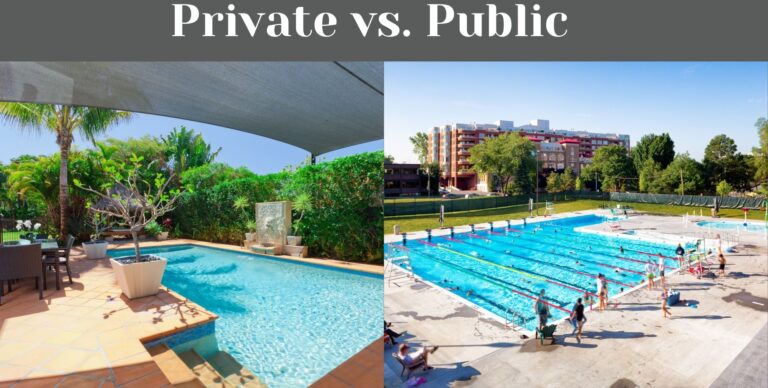
a. Residential use (family relaxation & leisure)
A residential pool transforms your home into a haven. Families love the convenience of having a safe place for kids to play, while adults enjoy a retreat for fitness or relaxation. Pools also increase property value, making them both a lifestyle and financial investment. When reviewing the 10 Key Considerations Before Building a Swimming Pool in Kenya, residential use remains one of the most common and rewarding purposes for homeowners.
Benefits of a residential pool include:
-
A private space for family fun and relaxation.
-
A healthier lifestyle through regular swimming exercises.
-
Increased property value, which makes your home more attractive to buyers.
-
Reduced need for family outings to public pools, saving money in the long term.
-
Aesthetic improvement of your backyard through landscaping integration.
b. Commercial use (hotels, schools, gyms, resorts)
Commercial swimming pools serve as powerful business assets. In the hospitality industry, a well-designed pool is often the highlight of a guest’s stay. Resorts and hotels that feature luxury pools can charge higher rates and attract more bookings. In schools, gyms, and training facilities, pools become functional assets that support education, fitness, and recreation. For business owners, considering the 10 Key Considerations Before Building a Swimming Pool in Kenya ensures your investment is practical, compliant, and profitable.
Key factors for commercial pools include:
-
Design appeal: Pools that are visually attractive create marketing advantages.
-
Durability: High-traffic pools require materials that withstand constant use.
-
Safety compliance: Meeting regulatory standards avoids legal issues and builds trust with clients.
-
Advanced filtration systems: To ensure water remains clear, safe, and hygienic even under heavy usage.
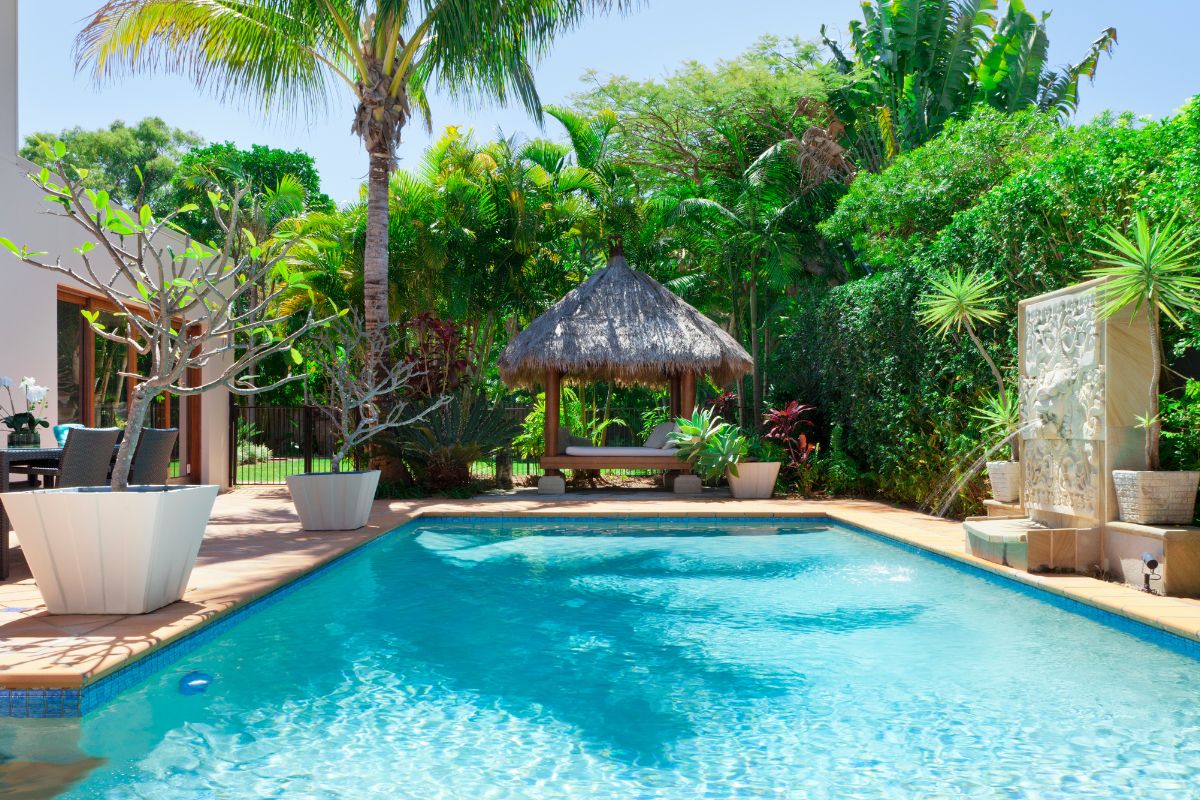
c. Private luxury or entertainment pool
For those of us seeking exclusivity and a premium lifestyle, private luxury pools offer unmatched satisfaction. These pools are designed not just for swimming but for creating unforgettable experiences. Whether you’re hosting friends for weekend parties, enjoying candle-lit evening swims, or unwinding in a heated spa section, luxury pools redefine comfort. Planning with the 10 Key Considerations Before Building a Swimming Pool in Kenya helps you decide which luxury features will make your entertainment pool truly unique.

Luxury and entertainment pools often feature:
-
Waterfalls, fountains, or bubbling jets.
-
Smart lighting systems for ambiance and safety.
-
Heated sections for all-season usability.
-
Outdoor kitchens, fire pits, or lounge decks for entertainment.
-
Custom shapes, mosaic tiling, and infinity edges for elegance.
d. Competitive or training pool
When the purpose is professional training or competitions, the requirements change significantly. These pools must meet strict standards for size, depth, and functionality. Schools, training academies, and sports facilities use them for lessons, practice, and hosting events. For serious athletes, aligning with the 10 Key Considerations Before Building a Swimming Pool in Kenya ensures the pool is safe, durable, and compliant with performance standards.
Important considerations for training pools include:
-
Correct dimensions: Standard Olympic pools are 50m in length, while training pools may vary depending on the sport.
-
Proper depth: Ensures safe diving and competitive swimming.
-
Lane markers and starting blocks: Necessary for structured training and competitions.
-
Durability under heavy use: High-quality construction ensures longevity.
-
Safety and accessibility features: Ladders, non-slip tiles, and disability-friendly access.
2. Budget and Cost of Pool Construction
Among the 10 Key Considerations Before Building a Swimming Pool in Kenya, budgeting is the most critical, as it determines the quality, longevity, and sustainability of your project:
a. Construction costs (materials, labor, permits)
Construction costs form the backbone of any pool project. Prices vary depending on size, design, and location. Concrete pools deliver durability and customization but come at a higher cost, while vinyl and fiberglass pools are budget-friendly alternatives. In Kenya, we must also account for labor charges and county permit fees, which are often overlooked when planning the 10 Key Considerations Before Building a Swimming Pool in Kenya.
b. Ongoing maintenance expenses
Once the pool is complete, expenses don’t stop. Chemicals, water treatment systems, cleaning equipment, and electricity for pumps and lighting add up over time. These ongoing costs are part of the 10 Key Considerations Before Building a Swimming Pool in Kenya because they ensure safe and enjoyable use year-round.
c. Landscaping and decking additions
A swimming pool rarely feels complete without its surroundings. Whether it’s a stylish wooden deck, natural stone finishes, or lush landscaping, these features enhance usability and aesthetics. Since landscaping can significantly influence costs, it should be budgeted early as part of the 10 Key Considerations Before Building a Swimming Pool in Kenya.
d. Long-term repair and renovation costs
Over time, pumps wear out, tiles chip, and liners may need replacement. Renovation and repair expenses are unavoidable but manageable when planned in advance. Factoring these into the overall budget not only prevents financial surprises but also aligns with the 10 Key Considerations Before Building a Swimming Pool in Kenya for long-term sustainability.
3. Pool Design and Style Options
When thinking about the 10 Key Considerations Before Building a Swimming Pool in Kenya, design and style choices determine not only how your pool looks but also how it functions:
a. Modern, luxury, or classic pool designs
Design reflects personality and lifestyle. A modern pool may feature sleek lines, minimalistic decking, and energy-efficient systems. Luxury pools often include premium finishes such as Italian tiles, fire features, and custom lighting for evening use. Classic pools, on the other hand, focus on timeless shapes like rectangles or ovals that blend seamlessly with any property. Choosing a design is one of the 10 Key Considerations Before Building a Swimming Pool in Kenya because it influences cost, usability, and long-term satisfaction.
b. Infinity pools, rooftop pools, lap pools, or plunge pools
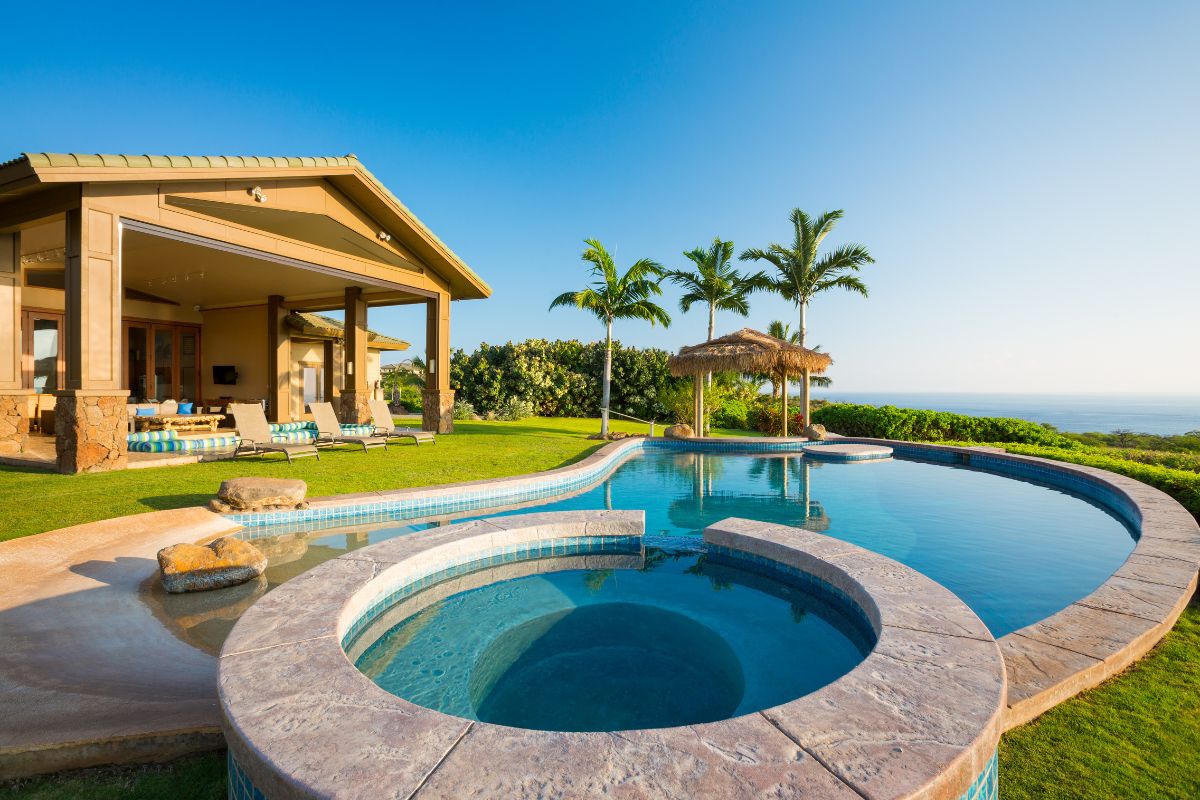
Specialized pool types offer unique experiences. Infinity pools create the illusion of water flowing endlessly, making them popular in scenic properties and resorts. Rooftop pools save space and offer stunning views, while lap pools cater to fitness enthusiasts. Plunge pools, compact and stylish, are ideal for small backyards. Each type comes with specific requirements, so identifying which fits your space and purpose is part of the 10 Key Considerations Before Building a Swimming Pool in Kenya.
c. Fiberglass, concrete, or vinyl liner options
The material you choose affects construction, durability, and maintenance.
-
Concrete pools: Long-lasting and customizable in shape and depth.
-
Fiberglass pools: Quick to install and low maintenance but limited in shape choices.
-
Vinyl liner pools: Affordable and flexible, though liners require periodic replacement.
We must weigh these options carefully because material choice is directly tied to both upfront costs and long-term upkeep — a central point in the 10 Key Considerations Before Building a Swimming Pool in Kenya.
d. Integration with landscaping and outdoor living areas
A pool doesn’t stand alone; it’s part of an outdoor living environment. Whether surrounded by lush greenery, a barbecue lounge, or a sun deck with luxury furniture, the pool becomes the centerpiece of relaxation and entertainment. Proper integration enhances property value and makes the pool more functional. This integration forms one of the 10 Key Considerations Before Building a Swimming Pool in Kenya, especially for families and businesses looking to maximize both aesthetic and functional benefits.
4. Pool Size and Location
One of the most practical aspects within the 10 Key Considerations Before Building a Swimming Pool in Kenya is determining the right size and the best location, since these two choices directly affect usability, costs, and long-term satisfaction:
a. Available space in your backyard or property
The available space sets the foundation for pool design. A compact backyard can still accommodate stylish plunge pools, lap pools, or geometric designs that save space without compromising functionality. Larger plots offer the freedom to create resort-style pools with landscaping, waterfalls, or entertainment decks. Accurately measuring your yard and understanding zoning regulations is part of the 10 Key Considerations Before Building a Swimming Pool in Kenya, ensuring the pool complements your property instead of overwhelming it.
b. Soil type and ground stability
The type of soil under your property greatly influences pool construction. Sandy coastal soils often require reinforcement and specialized engineering to prevent shifting. Clay soils may expand and contract, affecting structural integrity, while rocky ground can increase excavation costs. Professional soil testing helps identify potential challenges before construction begins. Considering soil conditions is therefore an essential part of the 10 Key Considerations Before Building a Swimming Pool in Kenya, as it prevents unexpected delays and costly modifications.
c. Sunlight exposure and wind direction
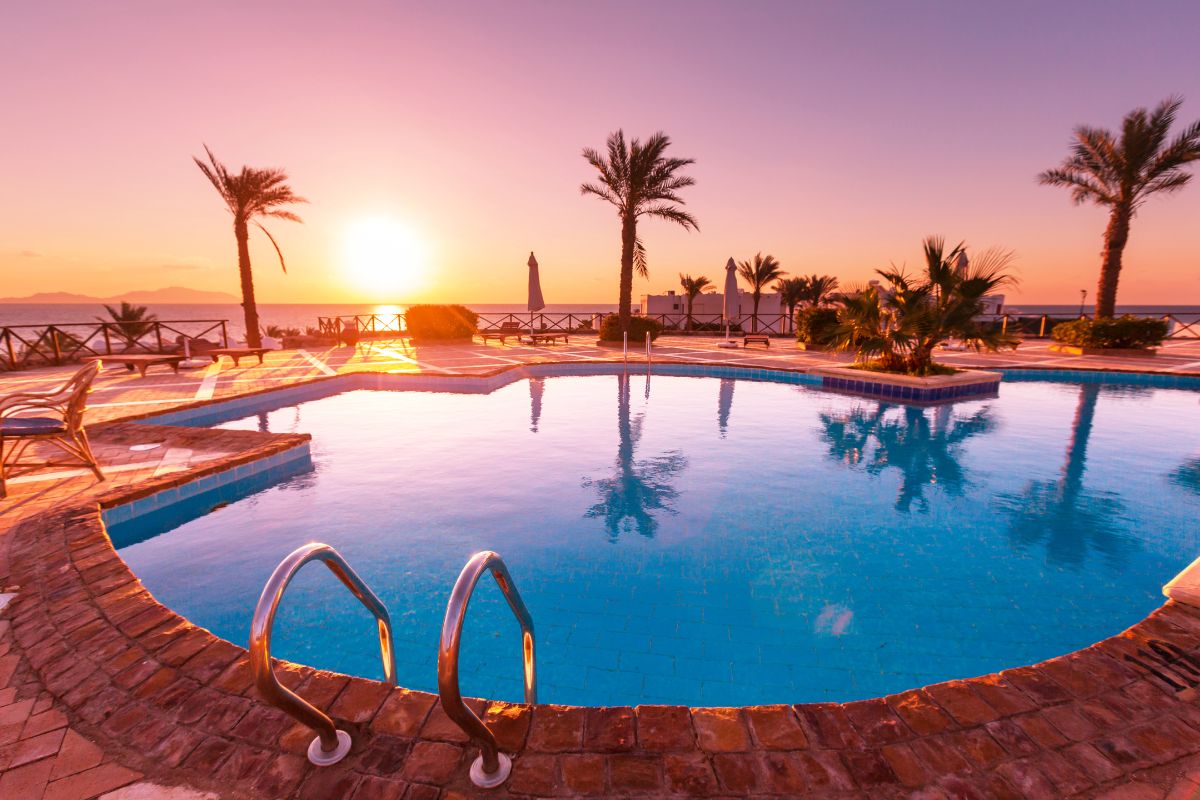
Positioning your pool in an area with optimal sunlight allows for natural heating, reduces water heating expenses, and enhances user comfort. At the same time, pools placed in windy zones experience higher water evaporation and cooling, which increases maintenance costs. Strategic placement near sun-facing areas but shielded from prevailing winds ensures better efficiency. Factoring in sunlight and wind is another critical aspect in the 10 Key Considerations Before Building a Swimming Pool in Kenya.
d. Accessibility for construction equipment
Excavation and pool installation require heavy machinery, so accessibility is key. Narrow driveways, tight corners, or built-up neighborhoods can complicate equipment entry, leading to extra costs or longer timelines. Before breaking ground, ensure there’s adequate access for construction teams and machinery. This practical point, though often overlooked, is one of the 10 Key Considerations Before Building a Swimming Pool in Kenya, as it directly affects budget, project duration, and feasibility.
5. Legal and Regulatory Requirements in Kenya
The 10 Key Considerations Before Building a Swimming Pool in Kenya would be incomplete without reviewing the legal and regulatory obligations that guide safe and compliant construction:
a. County approvals and permits
Before breaking ground, property owners must secure approvals from their respective county offices. Each county in Kenya has zoning by-laws and building codes that dictate whether a swimming pool can be built on residential, commercial, or institutional land. Skipping this step may not only result in costly fines but also legal action or project delays. Factoring in permit fees and the approval timeline is an essential part of the 10 Key Considerations Before Building a Swimming Pool in Kenya, ensuring a smooth start to construction.
b. Compliance with safety standards
Swimming pools must adhere to national and county safety codes, which cover aspects like water circulation systems, proper drainage, chemical treatment, and quality standards. Compliance ensures pools are safe for users and reduces risks of contamination, accidents, or premature wear. Professional contractors familiar with Kenyan regulations make this process easier. This safety compliance requirement is one of the 10 Key Considerations Before Building a Swimming Pool in Kenya that guarantees long-term usability and protection.
c. Pool fencing and child-safety rules
Because pools pose risks to children and non-swimmers, fencing regulations are often enforced. Safety features may include self-locking gates, protective covers, or pool alarms. Installing these safeguards isn’t just about compliance—it also gives peace of mind to homeowners, hotels, and schools. Considering child-safety rules is therefore among the vital 10 Key Considerations Before Building a Swimming Pool in Kenya, particularly for families and commercial facilities catering to young swimmers.
d. Environmental considerations
Some counties impose water-use restrictions, especially in drought-prone areas. Builders are encouraged to adopt eco-conscious designs, such as rainwater harvesting systems, pool covers to reduce evaporation, and energy-efficient filtration. Integrating sustainability practices helps minimize environmental impact while lowering long-term costs. Addressing environmental regulations is a growing part of the 10 Key Considerations Before Building a Swimming Pool in Kenya for both private and commercial developments.
6. Pool Construction Materials
Material selection is another essential part of the 10 Key Considerations Before Building a Swimming Pool in Kenya, as the choice directly affects durability, budget, and long-term maintenance:

a. Concrete pools – durability and customization
Concrete pools remain the gold standard for strength and flexibility. They can be built in virtually any shape or depth, making them ideal for homeowners seeking unique designs or hotels requiring resort-style layouts. Though the upfront investment is higher, concrete pools last for decades when properly maintained. This makes them one of the most reliable options highlighted in the 10 Key Considerations Before Building a Swimming Pool in Kenya, especially for buyers prioritizing long-term value.
b. Fiberglass pools – quick installation and low maintenance
Fiberglass pools come pre-molded and are lowered into the ground in one piece. Installation can be completed in a matter of days compared to weeks for concrete. They require fewer chemicals, resist algae growth, and have smooth finishes that reduce cleaning time. For those seeking convenience, fiberglass stands out as a practical solution among the 10 Key Considerations Before Building a Swimming Pool in Kenya.
c. Vinyl liner pools – affordability and flexibility
Vinyl liner pools are attractive to budget-conscious homeowners because of their lower construction costs. They come in different shapes and sizes, offering flexibility without breaking the bank. However, the liners typically need replacement every 7–10 years, which should be included in long-term planning. Affordability makes them a popular choice in the 10 Key Considerations Before Building a Swimming Pool in Kenya, but durability remains their trade-off.
d. Choosing high-quality tiles, pumps, and filtration systems
Beyond the pool shell itself, core equipment and finishes determine efficiency and aesthetics. High-quality tiles resist fading and cracking, durable pumps keep water circulating efficiently, and advanced filtration systems maintain cleanliness. Skimping on these essentials often leads to costly repairs. For homeowners and commercial developers, investing in quality finishes and equipment is a non-negotiable step in the 10 Key Considerations Before Building a Swimming Pool in Kenya.
7. Filtration, Circulation, and Water Treatment
Healthy water is non-negotiable in the 10 Key Considerations Before Building a Swimming Pool in Kenya, because proper treatment guarantees safety, comfort, and long-term usability:
a. Efficient pump and filter systems
The heart of every pool is its pump and filtration unit. Pumps ensure continuous circulation, preventing stagnant water that can harbor bacteria. Filters trap dirt, leaves, and debris, keeping the water crystal clear. When evaluating the 10 Key Considerations Before Building a Swimming Pool in Kenya, investing in high-quality pumps and filters is critical, as poor systems lead to cloudy water and costly maintenance.
b. Chlorination, saltwater systems, or eco-friendly alternatives
Water treatment comes in different forms, each with its own benefits:
-
Chlorine systems: Effective and affordable, making them the most widely used.
-
Saltwater pools: Gentler on the skin and eyes while producing chlorine naturally.
-
Ozone and UV systems: Eco-friendly solutions that reduce chemical dependence while keeping water safe.
When assessing the 10 Key Considerations Before Building a Swimming Pool in Kenya, choosing the right water treatment method ensures both health and comfort for users.
c. Regular cleaning and chemical balance
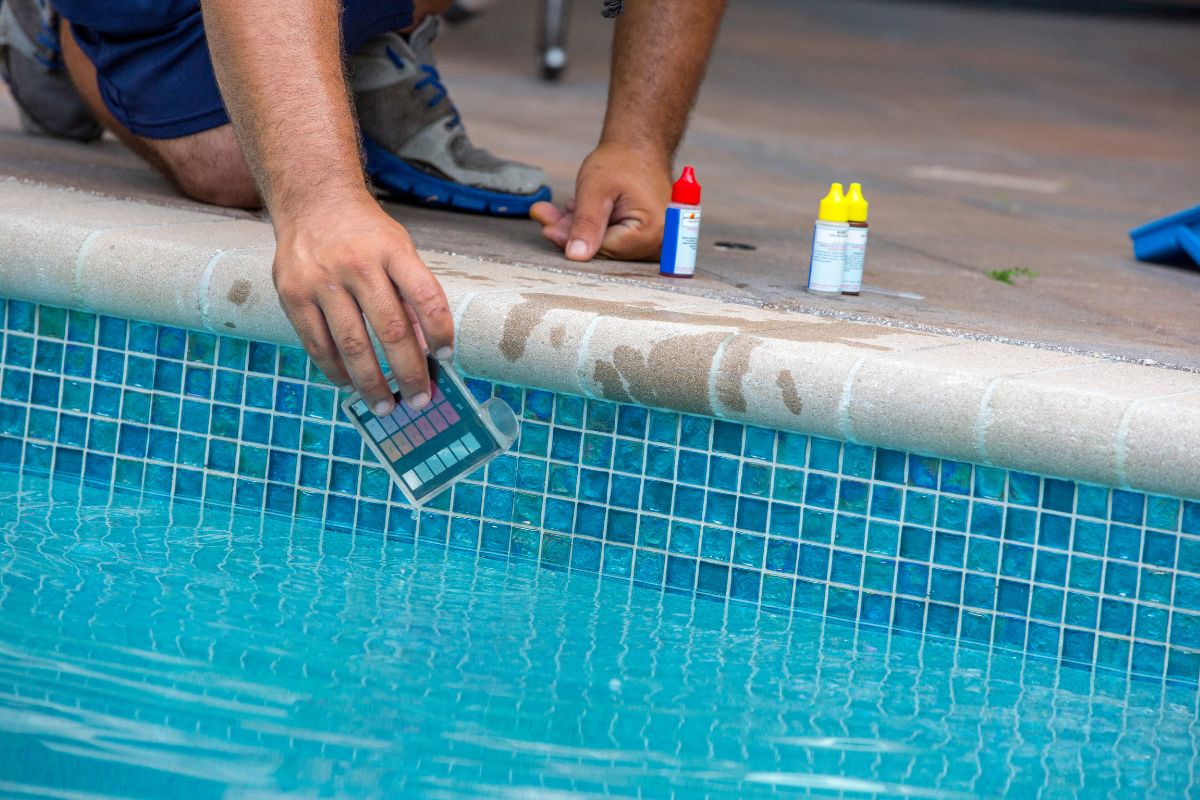
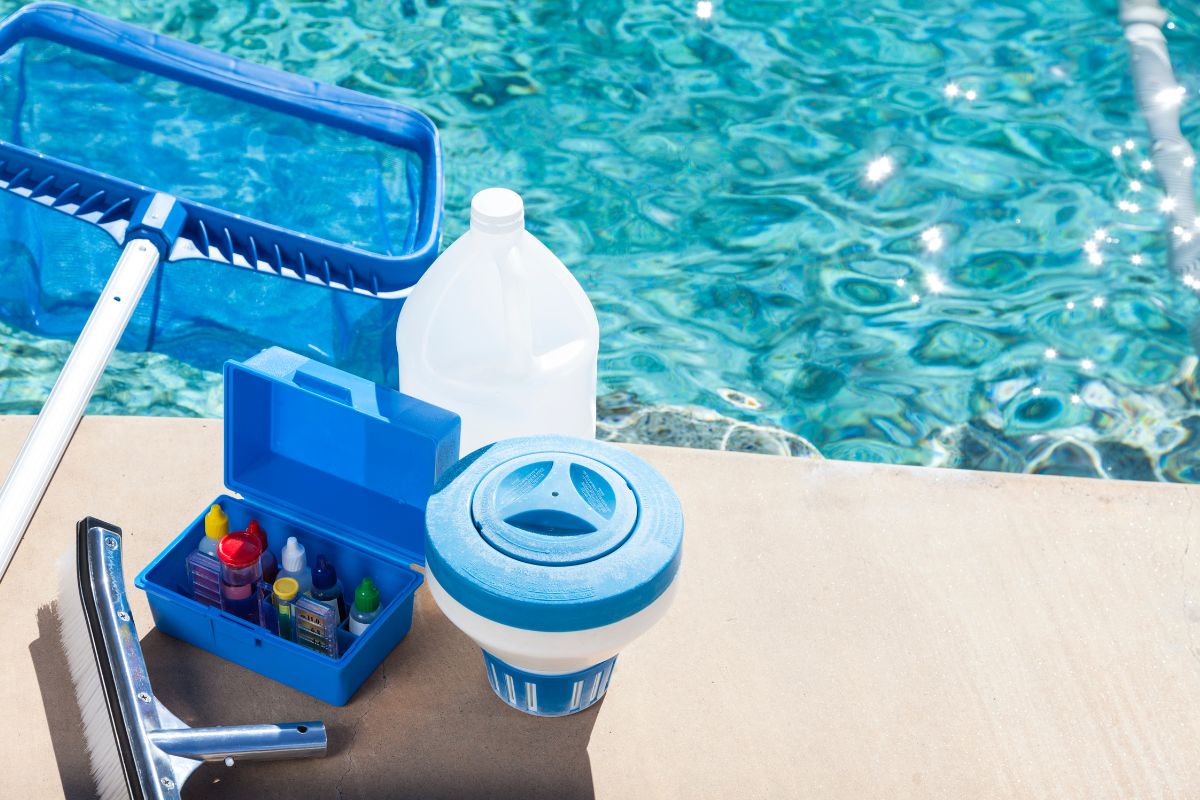
Even with good filtration, pools require routine cleaning and proper chemical balancing. Skimming debris, brushing walls, and vacuuming the floor prevent algae buildup. Maintaining the right pH, chlorine, and alkalinity levels ensures safe swimming conditions. For families, schools, or hotels, regular maintenance becomes one of the key factors in the 10 Key Considerations Before Building a Swimming Pool in Kenya.
d. Energy-efficient circulation options
Modern circulation technology has made pool ownership more cost-effective. Variable-speed pumps consume far less energy than traditional single-speed pumps, significantly lowering electricity bills. They also provide precise control over water flow, improving filtration efficiency. Considering energy efficiency is therefore an essential part of the 10 Key Considerations Before Building a Swimming Pool in Kenya, as it saves money while protecting the environment.
8. Pool Maintenance and Upkeep
No guide to the 10 Key Considerations Before Building a Swimming Pool in Kenya is complete without a strong focus on maintenance, because even the best-built pools require consistent care to stay clean, safe, and functional:
a. Routine cleaning and water testing
Routine cleaning prevents dirt, algae, and bacteria from taking over. Skimming leaves, vacuuming the floor, and brushing walls help maintain a sparkling look. Equally important is regular water testing—checking chlorine levels, pH balance, and alkalinity. Neglecting these steps can result in cloudy water, skin irritation, or even health hazards. Within the 10 Key Considerations Before Building a Swimming Pool in Kenya, consistent cleaning and testing protect both users and your investment.
b. Servicing pumps and filters
Pumps and filters are the “lungs” of a pool. Without regular servicing, they may clog, overwork, or fail entirely. Scheduling maintenance every few months ensures smooth circulation, energy efficiency, and reduced breakdowns. Homeowners and hotel managers who consider this point in the 10 Key Considerations Before Building a Swimming Pool in Kenya save money in the long run by avoiding emergency repairs.
c. Handling repairs and resurfacing needs
Over time, even well-built pools face wear and tear. Common issues include cracked tiles, leaking pipes, or fading liners. Addressing these repairs immediately prevents minor problems from becoming expensive renovations. Every 7–15 years, resurfacing may also be required to restore the pool’s durability and appearance. Factoring this into the 10 Key Considerations Before Building a Swimming Pool in Kenya ensures that your pool remains functional and visually appealing.
d. Hiring professional pool maintenance services in Kenya
While some tasks can be handled personally, hiring professional pool services guarantees thorough and expert care. Specialists provide scheduled maintenance, advanced water treatment, leak detection, and equipment servicing. For busy families, hotels, schools, or resorts, outsourcing maintenance is one of the smartest steps in the 10 Key Considerations Before Building a Swimming Pool in Kenya—saving time, ensuring safety, and extending the lifespan of the pool.
9. Safety Features and Accessories
Safety remains one of the most important 10 Key Considerations Before Building a Swimming Pool in Kenya, because a pool should bring relaxation and enjoyment—not risks. When designing and building, integrating the right safety features protects your loved ones, guests, or clients and ensures compliance with local standards:
a. Anti-slip pool tiles and decking
Slips and falls are the most common poolside accidents, especially in family homes, schools, or hotels. Choosing anti-slip tiles and textured decking materials minimizes this risk, even when surfaces are wet. Materials such as brushed concrete, treated wood, or textured stone not only enhance safety but also add a stylish finish. Within the 10 Key Considerations Before Building a Swimming Pool in Kenya, prioritizing anti-slip surfaces helps create a safe environment for swimmers of all ages.
b. Pool fencing and covers
Pools are an attraction for children and pets, making secure fencing and covers essential. Self-locking gates, child-proof latches, and mesh or glass enclosures offer protection without spoiling the pool’s beauty. Safety covers also prevent accidental falls while keeping leaves and debris out. Factoring fencing and covers into the 10 Key Considerations Before Building a Swimming Pool in Kenya ensures compliance with child-safety guidelines while giving homeowners peace of mind.
c. Lifesaving equipment and depth markers
Every pool, whether residential or commercial, should be equipped with lifesaving gear such as floatation rings, safety ropes, first-aid kits, and ladders. Clear depth markers painted on pool edges and walls guide swimmers and prevent accidents in deep sections. Including this in the 10 Key Considerations Before Building a Swimming Pool in Kenya turns your pool into a safe, well-prepared environment that inspires confidence for users.
d. Lighting for night swimming safety
Good pool and landscape lighting serves two purposes: it adds elegance to the pool’s ambiance and enhances visibility during night swimming. LED underwater lights, pathway illumination, and motion-sensor floodlights not only create an inviting atmosphere but also prevent accidents after dark. For homeowners, hotels, and resorts, this is one of the 10 Key Considerations Before Building a Swimming Pool in Kenya that blends style with function, making your pool usable and safe around the clock.

10. Choosing the Best Swimming Pool Contractor in Kenya
The final and perhaps most crucial element in the 10 Key Considerations Before Building a Swimming Pool in Kenya is selecting the right contractor. Even with the best design and budget, your project’s success depends on the skill, reliability, and professionalism of the team you hire:
a. Experience in residential and commercial pool projects
An experienced contractor brings expertise across different pool types—whether a luxury infinity pool for a hotel, a compact backyard pool, or a school training facility. By prioritizing this factor in the 10 Key Considerations Before Building a Swimming Pool in Kenya, you avoid costly mistakes and ensure high-quality workmanship tailored to your project’s unique needs.
b. Portfolio of completed swimming pools
A reputable contractor should showcase a portfolio of past projects, complete with photos and references. This gives you confidence in their design range, finishing quality, and ability to meet timelines. Checking portfolios as part of the 10 Key Considerations Before Building a Swimming Pool in Kenya also helps you visualize what’s possible for your space.
c. Client reviews and testimonials
Nothing speaks louder than satisfied customers. Reading client reviews and testimonials highlights a contractor’s professionalism, reliability, and customer care. When evaluating the 10 Key Considerations Before Building a Swimming Pool in Kenya, feedback from previous clients ensures you are entrusting your investment to a credible professional.
d. After-installation support and maintenance packages
A swimming pool isn’t a one-time project—it’s a long-term commitment. That’s why it’s vital to choose a contractor who offers after-installation support, including maintenance, repair, and servicing packages. Making this part of the 10 Key Considerations Before Building a Swimming Pool in Kenya ensures your pool remains safe, efficient, and enjoyable for years to come.
Why the 10 Key Considerations Before Building a Swimming Pool in Kenya Matter
At Swimming Pools Contractor, we understand that building a swimming pool is not just about digging a hole and filling it with water—it is about creating a long-term investment in comfort, family, and lifestyle. This is why the 10 Key Considerations Before Building a Swimming Pool in Kenya are so important. They protect you from costly mistakes, ensure safety and durability, and guarantee that your pool is customized to your vision.
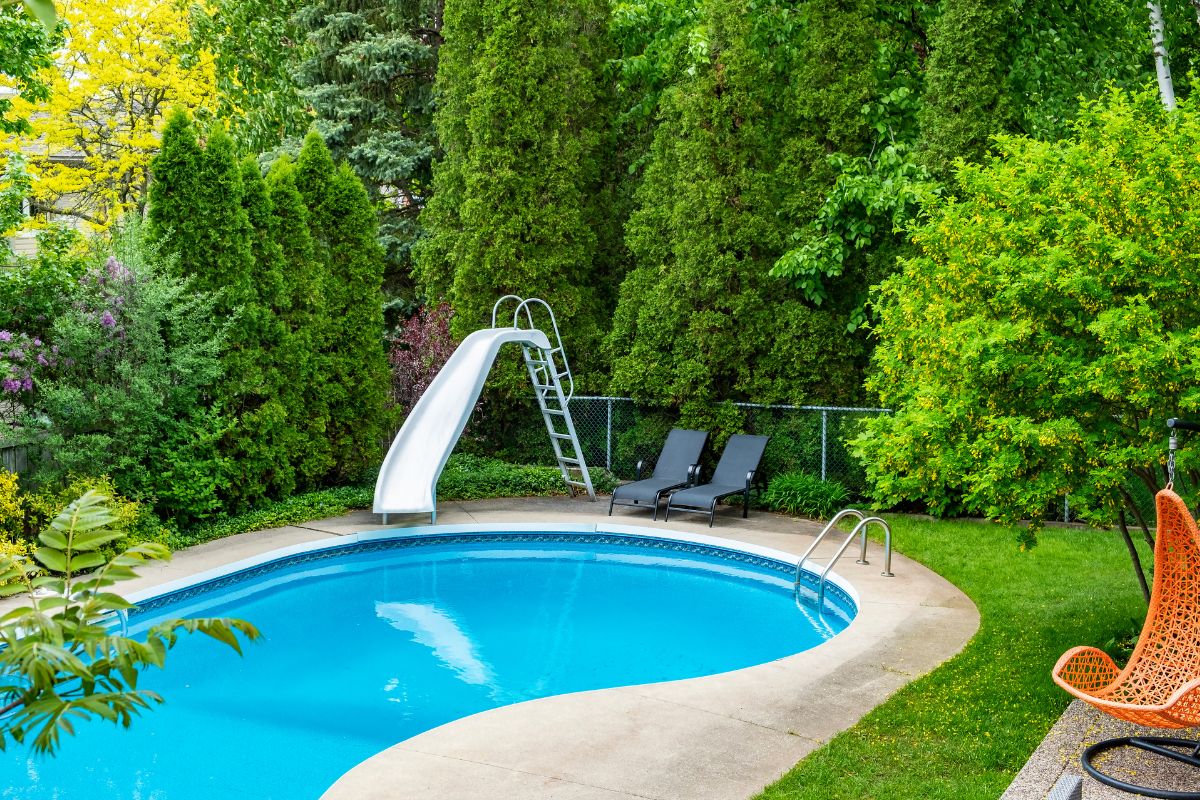
By carefully thinking through your budget, pool size, legal requirements, construction materials, filtration systems, and ongoing maintenance needs, you set the foundation for success. Add safety features, smart designs, and the right contractor, and you can be confident that your swimming pool will remain both functional and beautiful for years to come.
At Swimming Pools Contractor, we bring together professional workmanship, innovative designs, and long-term support to help you turn these considerations into a reality. We don’t just build pools—we create spaces where families relax, friends gather, and memories are made.
Contact us today to schedule a consultation and let’s bring your vision to life. With the 10 Key Considerations Before Building a Swimming Pool in Kenya guiding every step, your dream pool is within reach.
Frequently Asked Questions About the 10 Key Considerations Before Building a Swimming Pool in Kenya
Homeowners often have many questions before starting their pool journey. These answers will help you understand why the 10 Key Considerations Before Building a Swimming Pool in Kenya are essential in achieving a safe, durable, and beautiful pool:
1. How much does it cost to build a swimming pool in Kenya?
The cost of building a swimming pool in Kenya depends on several factors such as the size, design, location, and choice of materials. A standard pool may cost around Ksh 1.5 million to Ksh 2.5 million, while a luxury pool with custom features, waterfalls, or heating systems can easily exceed Ksh 4 million. Budgeting correctly is one of the most important 10 Key Considerations Before Building a Swimming Pool in Kenya, as it prevents financial strain and ensures you complete your project without compromise.
2. What is included in the pool construction budget?
A proper budget should include excavation, structural materials (such as concrete, fiberglass, or vinyl liners), labor, permits, plumbing, electrical works, and landscaping. Many homeowners forget to account for safety features, decking, or filtration systems. Considering all these elements is one of the 10 Key Considerations Before Building a Swimming Pool in Kenya, because unexpected costs can delay or stall your project.
3. Do I need county approvals and permits?
Yes. Every swimming pool construction project in Kenya requires county approvals and compliance with zoning laws. Depending on your location, you may also need environmental clearance or water usage permits. Securing legal documentation is one of the 10 Key Considerations Before Building a Swimming Pool in Kenya, as it ensures your project is legitimate and free from legal disputes or penalties.
4. Which pool size is best for my property?
The best size depends on your available land, soil type, intended use (residential or commercial), and budget. Small plots may be ideal for compact pools, while larger properties can accommodate infinity pools or customized designs. Evaluating space and design needs carefully is among the 10 Key Considerations Before Building a Swimming Pool in Kenya, as it directly impacts usability, aesthetics, and cost.
5. What materials should I choose for my pool?
Material choice determines durability and maintenance needs. Concrete pools are long-lasting and customizable, fiberglass pools are easy to install with minimal upkeep, and vinyl liner pools are affordable but need replacements every few years. High-quality tiles, pumps, and filtration systems also make a big difference. Material selection remains one of the critical 10 Key Considerations Before Building a Swimming Pool in Kenya, because cutting corners here can lead to costly repairs later.
6. How do I maintain my pool after construction?
Maintenance is a lifelong responsibility. It includes regular cleaning, chemical balancing, servicing pumps and filters, and resurfacing when necessary. Proper upkeep keeps your pool safe, clean, and visually appealing. Factoring in long-term maintenance is one of the 10 Key Considerations Before Building a Swimming Pool in Kenya, because ignoring it may shorten the lifespan of your investment.
7. Are there safety requirements for pools in Kenya?
Yes. Safety features are non-negotiable. These include pool fencing, non-slip decking, safety covers, lifesaving equipment, ladders, depth markers, and proper lighting for night use. Installing safety measures is a major part of the 10 Key Considerations Before Building a Swimming Pool in Kenya, as they protect children, pets, and all pool users from accidents.
8. What are the best water treatment and filtration options?
A healthy pool relies on good water circulation and treatment. You can choose from traditional chlorine, gentle saltwater systems, or eco-friendly options like ozone treatment. High-quality filtration and circulation pumps are equally important. Considering the best water systems is one of the 10 Key Considerations Before Building a Swimming Pool in Kenya, because water quality directly affects health and enjoyment.
9. How do I choose the right swimming pool contractor in Kenya?
Choosing the right contractor is perhaps the most important decision you’ll make. Look for experience, a portfolio of completed pools, positive client reviews, and after-installation support. Partnering with a professional is one of the most essential 10 Key Considerations Before Building a Swimming Pool in Kenya, because only a trusted contractor can deliver the quality and durability you deserve.
10. Why do the 10 Key Considerations Before Building a Swimming Pool in Kenya matter?
They matter because they guide you through every step of the process—from budgeting and design to materials, safety, and contractor selection. By following all 10 Key Considerations Before Building a Swimming Pool in Kenya, you protect your investment, avoid costly mistakes, and ensure your pool remains a source of joy, relaxation, and prestige for years to come.

Take the Next Step: Build Your Dream Pool with the 10 Key Considerations Before Building a Swimming Pool in Kenya
Don’t wait any longer to bring your dream pool to life—at Swimming Pools Contractor, we specialize in guiding clients through the 10 Key Considerations Before Building a Swimming Pool in Kenya to ensure every project is cost-effective, safe, and tailored to perfection; from budgeting and choosing the right materials to professional construction and long-term maintenance, our team delivers lasting quality, so contact us today for a free consultation and take the first step toward building the perfect swimming pool in Kenya.